

TNMU Faculty and WHO Representatives Discuss the Results of Implementing the International mhGAP Program
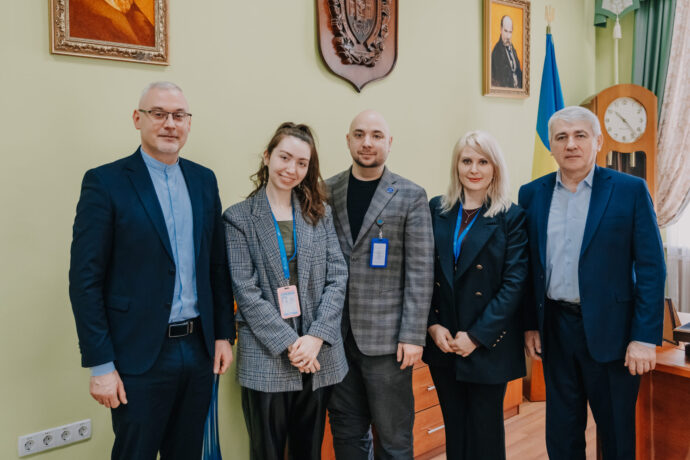
On February 26, 2026, a delegation from the Ukrainian team of the World Health Organization (WHO) visited I. Horbachevsky Ternopil National Medical University for a working meeting dedicated to the implementation of the international mhGAP (Mental Health Gap Action Programme).
The visit began with a meeting with the Rector of TNMU, Professor Petro Lykhatskyi, during which the guests learned more about the university’s activities and its future development plans. Both sides also discussed key outcomes of their cooperation and the prospects for further collaboration.
Following this, a discussion took place at the Department of Psychiatry, Narcology, and Medical Psychology, focusing on the experience of integrating modern mental health care approaches into the educational process for training future physicians. Participants emphasized that implementing the mhGAP program in medical education is an important step toward developing a modern healthcare education system capable of responding to current challenges. At a time when mental health issues have become especially significant for Ukrainian society, preparing medical professionals who can recognize mental disorders early and provide appropriate support is one of the key priorities of healthcare system development.
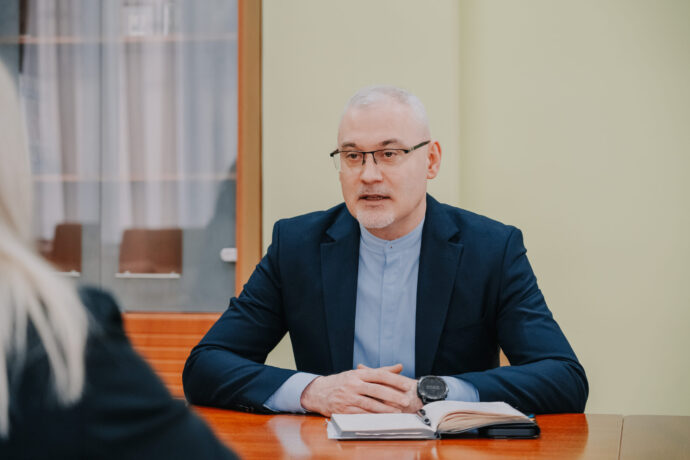
The Vice-Rector for Science and Education, Professor Arkadii Shulhai, introduced the academic staff involved in the program and outlined the specifics of integrating mhGAP approaches into the university’s educational process.

The Head of the Department of Psychiatry, Narcology, and Medical Psychology, Professor Olena Venher, highlighted the importance of implementing the mhGAP program in the training of future doctors and emphasized its role in shaping modern professional competencies in mental health.
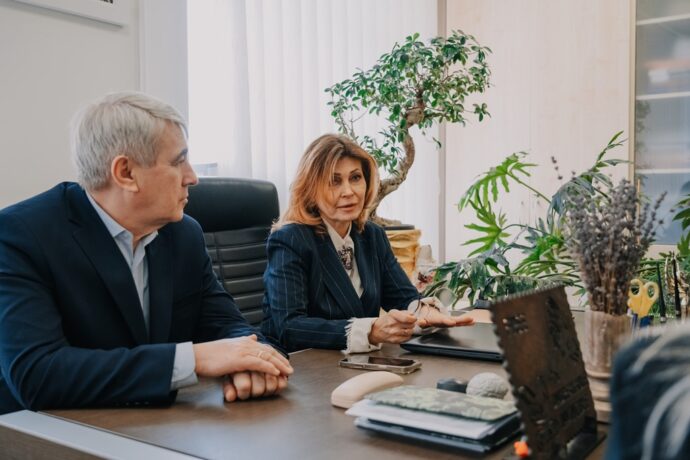
During the meeting, Professor Nataliia Banadyha, Associate Professor Tetiana Lazarchuk, Associate Professor Oksana Kotsiuba, and Yuliia Danylevych shared their experience in implementing the program, presenting the results achieved and outlining prospects for its further development. Professor Yurii Mysula, Associate Professor Tetiana Husieva, and Associate Professor Svitlana Danchak also contributed suggestions to improve the program’s educational components.
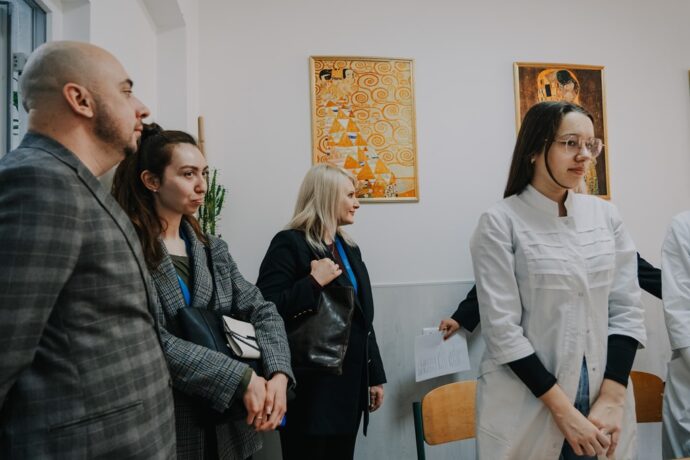
An important part of the meeting was a demonstration of a training session based on the principles of the mhGAP program. Associate Professor Olha Liuta, together with students, presented the key aspects of the lesson, demonstrating approaches to clinical assessment of mental disorders, communication with patients, and the use of clinical decision-making algorithms in the practice of future physicians.
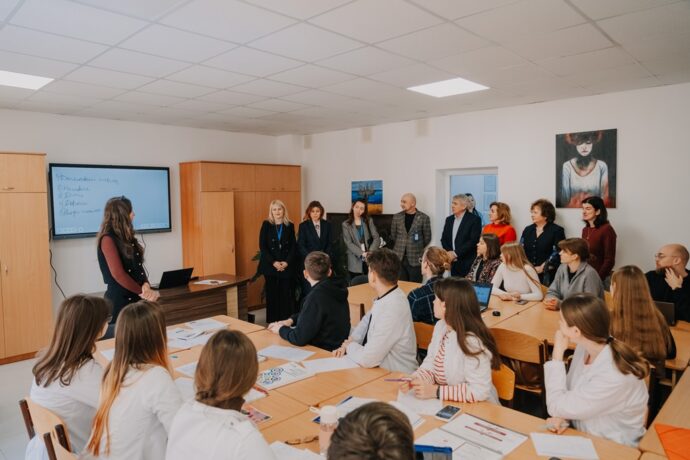
During the visit, WHO representatives also met with students enrolled in the program, both during regular classes and through the National Health Service of Ukraine’s educational platform. Students shared their impressions of the training and offered ideas and suggestions for the program’s further development.
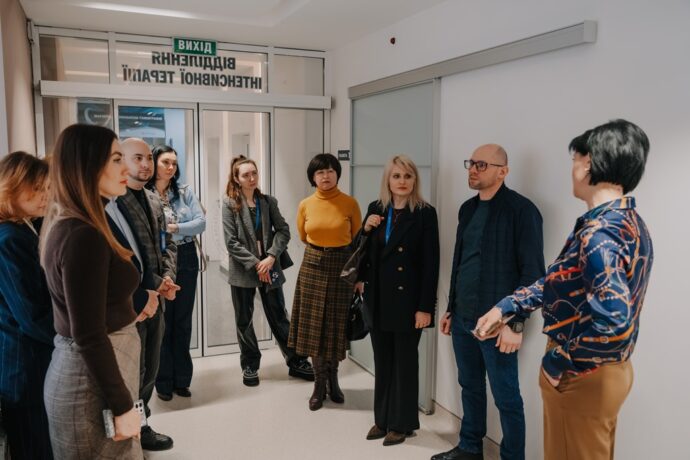
As part of the visit, Professor Olena Venher, together with Nadiia Fariion, Deputy Director General of the Ternopil Regional Clinical Psychoneurological Hospital, organized an introductory tour of the hospital’s clinical departments for the WHO representatives. The guests were introduced to the organization of psychiatric care, the operation of inpatient departments, and approaches to the treatment and rehabilitation of patients with mental disorders.
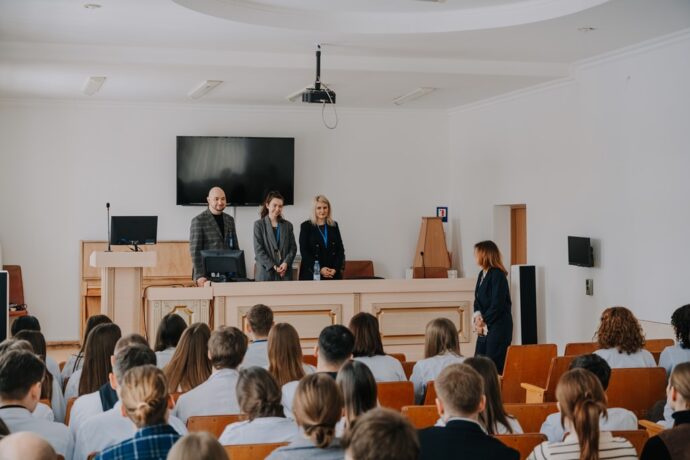
The implementation of the mhGAP program contributes to the training of a new generation of doctors—professionals who cannot only recognize mental health disorders but also provide timely assistance and support to patients, taking into account their psychological needs and mental well-being.
Such educational initiatives promote the development of modern medical education, strengthen the mental health support system, and enhance the professional readiness of future doctors to respond to the complex challenges of today.
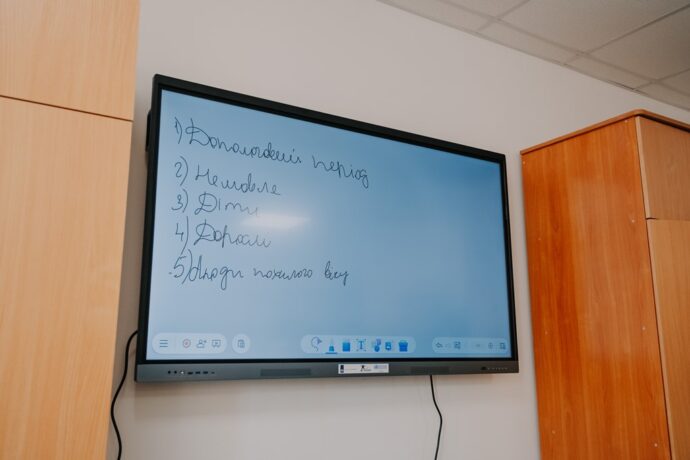
The university also expressed gratitude to its partners for their support, technical equipment (including an interactive board), and their shared vision for the future of Ukrainian medicine.
“We sincerely thank you for the warm welcome and openness to dialogue. It was truly inspiring to see how systematically and compassionately the university and the hospital approach the issue of mental health. This gives us a real understanding of how implementation works in practice. We highly value our cooperation,” noted the WHO delegation representatives.
This meeting once again confirmed that the combination of international standards, modern technologies, and a human-centered approach is key to high-quality physician training.