

Students of the Institute of Pharmacy Visit Ternopil Regional Interhospital Pharmacy No. 157
A longstanding tradition for students of the Educational and Scientific Institute of Pharmacy is to hold classes at the Ternopil Regional Municipal Interhospital Pharmacy No. 157.
In order to better master the discipline “Industrial Pharmaceutical Practice in the specialization ‘Drug Technology’,” students strengthened their practical skills in extemporaneous compounding of medicines, which ensures an individual and personalized approach to all categories of patients.
Pharmacy No. 157 in Ternopil plays an important role, as it provides medicines to one of the most vulnerable groups of the population — children. It dispenses ready-made pharmaceutical products and also prepares medicines on an extemporaneous basis in accordance with individual prescriptions. This allows for the creation of dosage forms with the required composition and dosage tailored to patients’ needs.
Thanks to the productive cooperation between the head of the pharmacy, Mariia Harahuts, and practicing physicians, the pharmacy ensures an uninterrupted supply of extemporaneous medicines for young patients not only at the Ternopil Regional Children’s Clinical Hospital, but throughout the entire region.
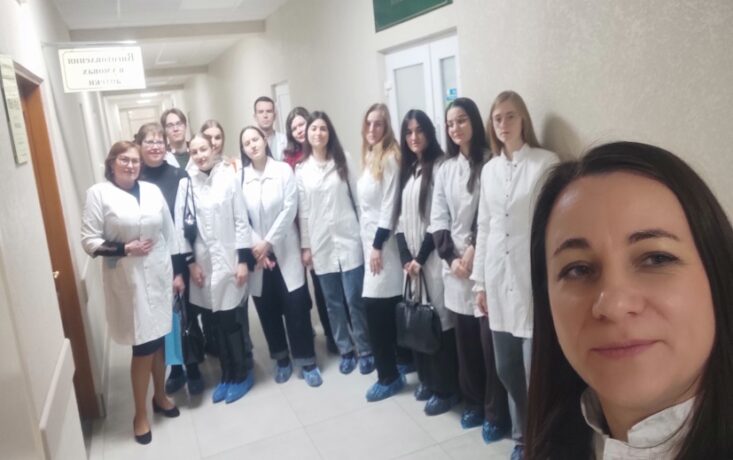
Mariia Harahuts, Head of Pharmacy No. 157, is also the Chair of the “Pharmacy” sector of the Employers’ Council of I. Horbachevsky Ternopil National Medical University is one of the developers of the “Pharmacy” educational program. She actively supports educational activities, understanding the importance of combining theoretical knowledge with practical skills, and organizes internships and study visits.
During the excursion, students became familiar with the structure of the pharmacy, including the production facilities, assistant room, storage areas, and sterilization unit. They had the opportunity to reinforce their knowledge of Good Pharmacy Practice and learn about the documentation procedures involved in extemporaneous drug preparation.
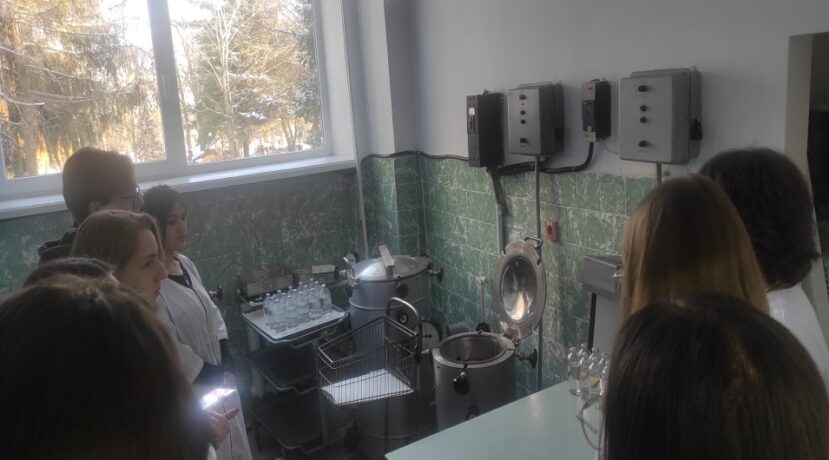
Special attention was paid to the technology of preparing various dosage forms: ointments, suppositories, solutions, powders, suspensions, and drops. Pharmacy staff explained the procedures for receiving and processing prescriptions, the stages of drug preparation, and the labeling and dispensing rules for finished products.
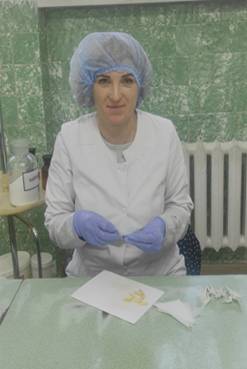
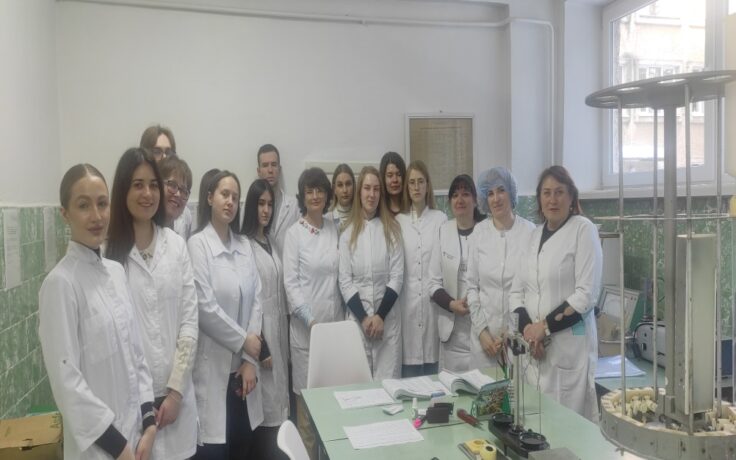
Future pharmacists deepened their theoretical knowledge and improved their practical skills in extemporaneous compounding, as well as their understanding of the pharmacist’s role in ensuring the quality and safety of pharmacotherapy and pharmaceutical care, and in organizing a production pharmacy. The experience gained will contribute to the development of professional competencies of future pharmacy specialists.
Special thanks were expressed to Mariia Harahuts for creating a supportive learning environment: encouraging students to ask questions, explaining complex aspects of pharmaceutical practice in an accessible way, involving them in real professional tasks — from working with prescriptions to patient counseling (under supervision), and striving not only to share knowledge but also to motivate students toward professional growth, fostering their interest in practical pharmacy and confidence in their abilities.