

TNMU Among the Winners of the International Seed Fund for Research Excellence (UK–Ukraine Twinning Initiative) in Partnership with Keele University
I. Horbachevsky Ternopil National Medical University is among the winners of the international Seed Fund for Research Excellence (UK–Ukraine Twinning Initiative) competition, implemented in partnership with Keele University.
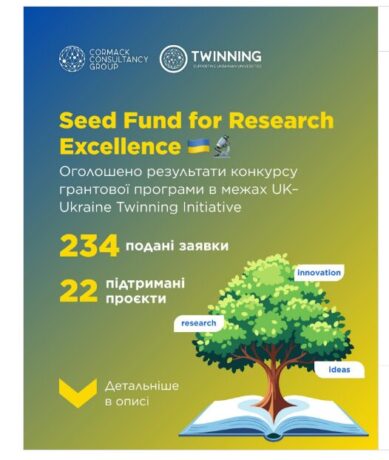
Out of 234 submitted applications, only 22 projects were selected. At the heart of the joint TNMU–Keele project lies regenerative medicine, a field of particular relevance for Ukraine today. Due to the full-scale Russian invasion in 2022 and the ongoing war since 2014, the number of mine-explosive injuries has sharply increased. These injuries involve multiple damaging factors, including blast waves (barotrauma), fragments (secondary projectiles), toxic gases, mechanical impact from displacement, and high temperatures causing burns.
The research focuses on evaluating the effectiveness of cell-free treatment methods for burn injuries, with the aim of introducing evidence-based approaches and improving clinical decision-making.
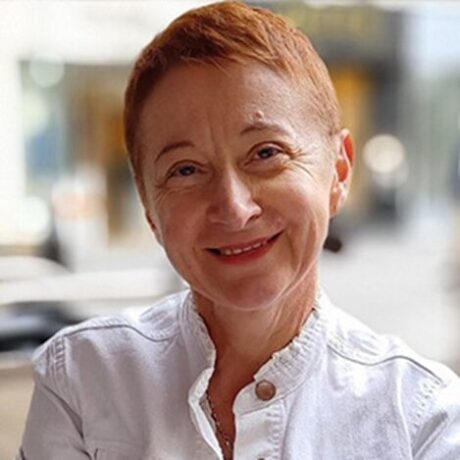
Dr. Oksana Kehoe, Reader in Inflammation Biology
Special thanks are extended to Oksana Kehoe for her collaboration.
The Twinning Seed Fund was established to accelerate high-quality Ukrainian–British scientific cooperation and to support Ukrainian institutions in recovery and internationalization through structured partnership competitions. The fund acts as a catalyst by supporting early-stage consortium building and project proposal development, particularly with a view toward participation in major international programs such as Horizon Europe. Its long-term goal is to integrate Ukrainian universities into sustainable global research networks and strengthen institutional capacity through research development.
The response to the competition was extraordinary. A total of 234 applications were submitted, requesting over £6.7 million in funding. The competition involved 109 Ukrainian universities, with Ukrainian institutions represented 288 times across different projects.
Notably, 72.6% of applications included UK partners representing 71 British universities. Overall, the competition brought together 129 universities from 29 countries outside Ukraine, including the United Kingdom. On average, each application involved 2.5 partners, with some consortia uniting up to seven institutions.
The geographic distribution of applications demonstrates nationwide mobilization of the scientific community. Universities from more than 30 cities across Ukraine participated, confirming that the initiative engaged the entire research system, including regions operating under significant wartime pressure.
Equally impressive is the profile of international partners. The competition included 17 UK universities ranked among the top 300 in the Times Higher Education rankings, as well as many other reputable institutions. Their involvement across a wide range of fields—from advanced technologies and medical innovations to democratic governance, environmental sustainability, and cultural heritage—reflects strong trust in cooperation with Ukraine and the strategic value of the Twinning format.