


Pilot Implementation of OSCE Using an AI-Based Standardized Patient
On March 19, 2026, at the Simulation Training Center of I. A pilot implementation of the OSCE using an AI-based standardized patient at Horbachevsky Ternopil National Medical University took place.
At TNMU, the Objective Structured Clinical Examination (OSCE) has remained the gold standard for assessing students’ clinical competencies for over 20 years. During this time, the format has been significantly modernized in line with international approaches, including digital checklists, paired stations, standardized communication assessment criteria, and a competency matrix.
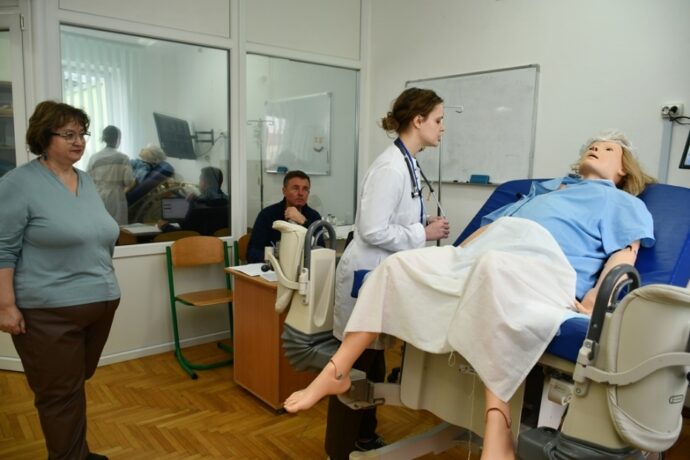
The next step was integrating artificial intelligence into the role of a standardized patient. This solution not only optimizes organizational processes but also enhances standardization, objectivity, and the variability of clinical scenarios.
The methodology was developed with the participation of Professor Dmytro Vakulenko, Associate Professor Andrii Hospodarskyi, and the OSCE working group at TNMU, including Nadiia Pasiaka, Nataliia Haliash, and Nataliia Petrenko. Faculty members from the departments of pediatrics with pediatric surgery, obstetrics and gynecology No. 1, as well as surgery No. 1 with urology and minimally invasive surgery named after L. Kovalchuk, were also involved in developing and validating scenarios and prompts.
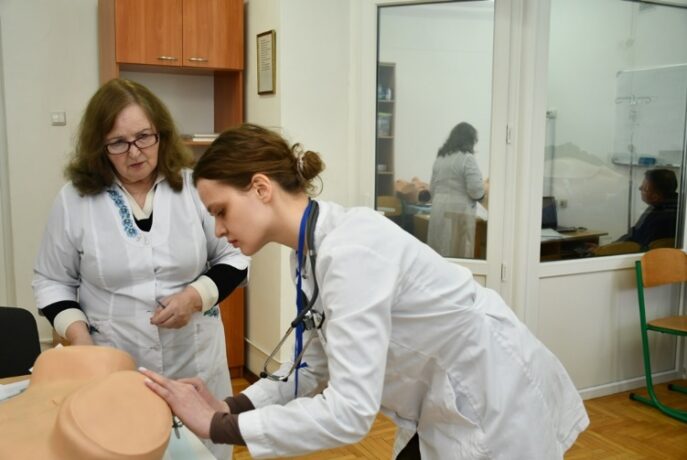
During the pilot, the innovation was implemented at stations in surgery, gynecology, and pediatrics. In particular, at the pediatric station, a video avatar of the patient’s mother was used, reflecting real clinical practice where a physician interacts simultaneously with a child and their parents. This made it possible to assess the student’s ability to adapt communication, collect medical history, and correctly proceed to examination while considering age-specific characteristics.
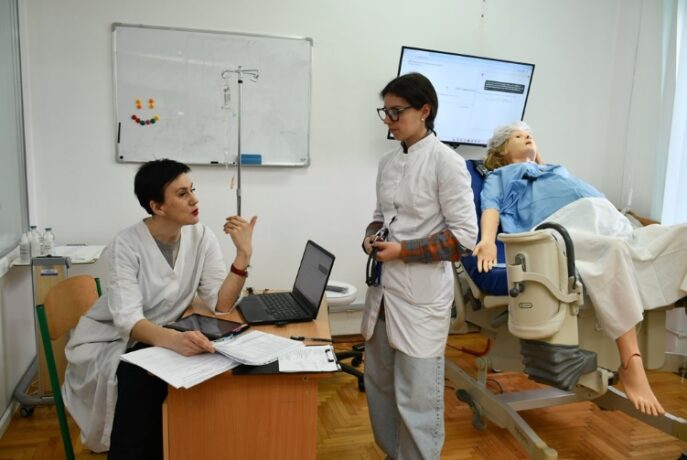
The use of an AI avatar ensures a high level of standardization through validated scenarios that are reproduced identically for each student. In addition, it enables repeated use without additional resources and creates opportunities for skills training beyond the exam setting.
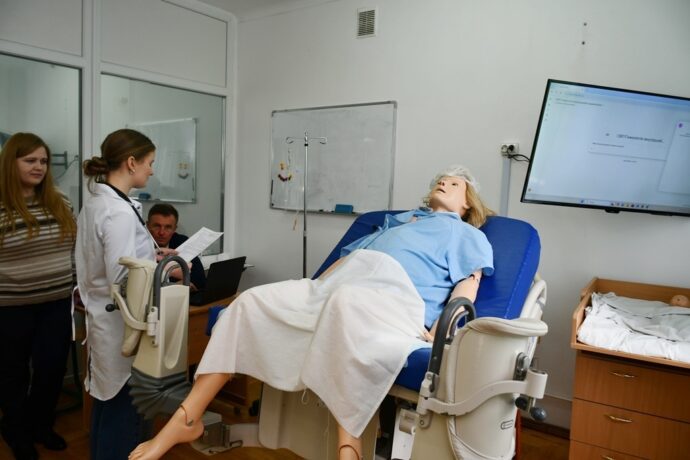
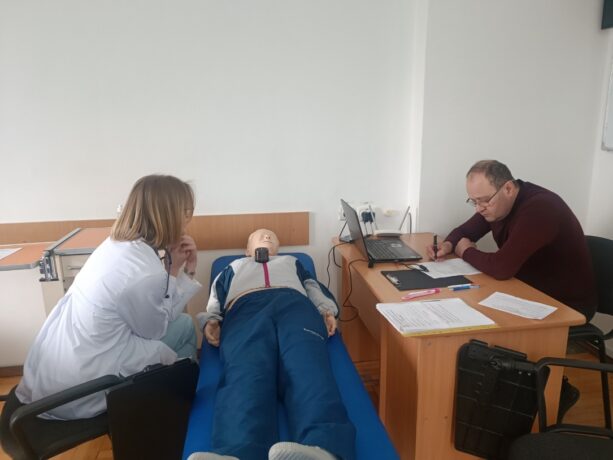
At the stations “Supervision of a Surgical Patient” and “Supervision of a Patient with Gynecological Pathology,” AI enabled “animate” a mannequin: the patient could respond to questions, describe symptoms, and explain the course of the disease. This approach allowed combining history taking and physical examination within a single clinical case, significantly enhancing the realism of the simulation.
An additional advantage is flexibility: AI enables easy variation of clinical scenarios by modifying the patient’s age, gender, symptoms, and behavioral characteristics in accordance with educational objectives.
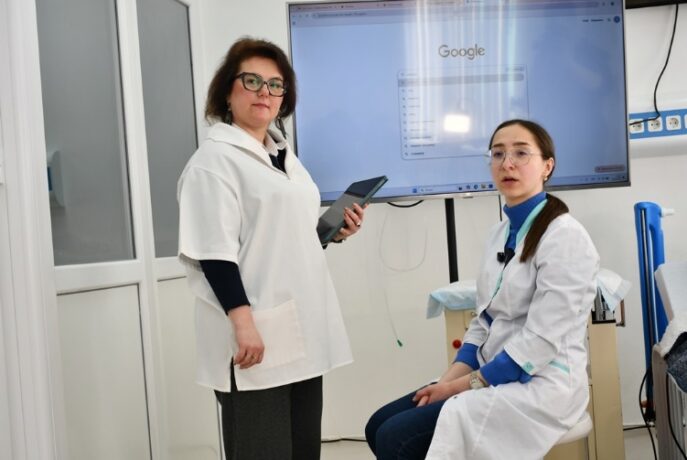
The pilot also helped identify technical and methodological aspects requiring further refinement, which will serve as a foundation for the continued improvement of the OSCE at TNMU.