

Associate Professor of the Department of Therapy and Family Medicine Explored Innovative PTSD Treatment Methods at an International Festival
On June 20, 2026, Nelia Korylchuk, Associate Professor of the Department of Therapy and Family Medicine, participated in the 7th International ART Festival of Mental Health, “Healing and Resources: Evidence-Based Methods and Practices in Psychology.”
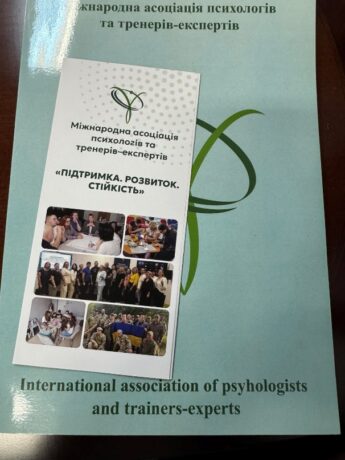
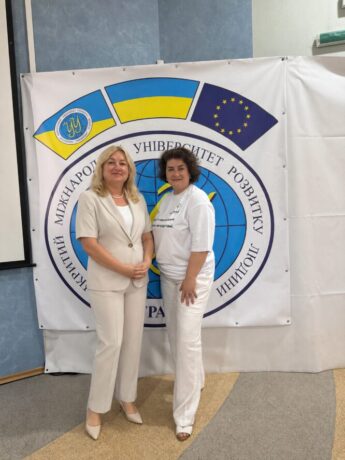
The festival was hosted by the Open International University of Human Development “Ukraine” and organized by the Academy of Modern Psychology and Development in cooperation with the International Association of Psychologists and Trainers-Experts. The event was opened by Iryna Talanchuk, Vice-Rector for Administrative and Personnel Affairs of the University “Ukraine,” Nataliia Sablina, Head of the International Association of Psychologists and Trainers-Experts, and Mykhailo Saveliev, Director of the Veteran Development Center at the University “Ukraine.”
The festival program featured a wide range of contemporary scientific and practical events, master classes, and workshops. Particularly engaging were the sessions entitled “Neuropsychological Keys: Developing Cognitive Flexibility,” “Recovery in Conditions of a Prolonged Crisis,” “Transgenerational Scenarios,” and “The Rhythm of the Heart: Support and Recovery in Times of War,” among many others devoted to current issues in psychological support, mental health, and personal development.
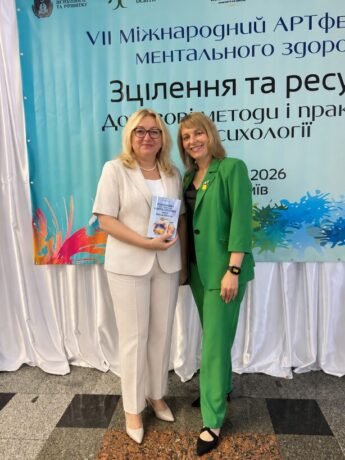
The festival also included presentations of books by Nataliia Sablina, including “Psychological Assistance and the Work of Psychologists with Military Personnel and Their Families During Wartime. Military Psychology,” “Psychosomatics. The Body Code: Emotions, Illness, Healing,” and other publications addressing modern approaches to psychological counseling, psychotherapy, and psychosomatic medicine.
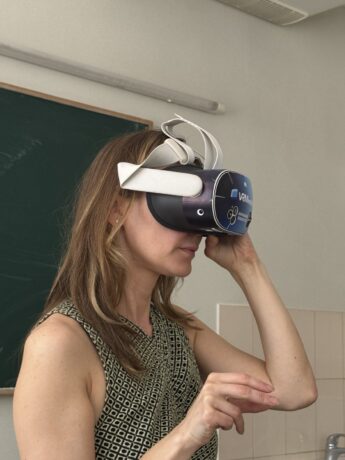
A particularly valuable experience was participation in the workshop “Managing Virtual Reality for PTSD Treatment,” during which attendees were introduced to an innovative exposure therapy method utilizing virtual reality technologies. Virtual Reality Exposure Therapy (VRET) is a modern evidence-based approach for helping patients with Post-Traumatic Stress Disorder (PTSD). The method enables patients to gradually and safely process traumatic experiences within a controlled virtual environment.
Using an Oculus Quest headset and specialized software, therapists can create scenarios with carefully controlled triggers that recreate situations associated with a patient’s traumatic experiences. Throughout the therapeutic process, a psychotherapist or psychiatrist monitors the patient’s emotional state and adjusts the intensity of exposure according to individual needs and responses.
Participation in such international professional events contributes to the continuous professional development of academic staff, facilitates familiarization with evidence-based methods of psychological support, innovative psychotherapeutic technologies, and current trends in the field of mental health. The knowledge, practical skills, and professional experience gained will be integrated into the educational process for training future clinical psychologists and physicians, enhancing course content and improving the quality of higher education and professional preparation.