

TNMU Hosts an Open Lecture by Professor Max Ortiz Catalan
On July 21–22, 2026, I. Horbachevsky Ternopil National Medical University hosted an open lecture by Professor Max Ortiz Catalan, a world-renowned scientist specializing in bionics, neurorehabilitation, and the treatment of phantom limb pain.
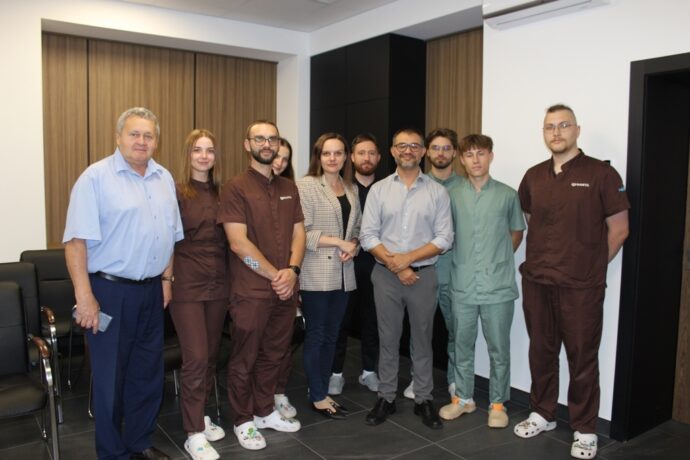
Professor Max Ortiz Catalan is internationally recognized as one of the leading experts in bionics and neurorehabilitation. Following many years of research in Sweden and Australia, he has become actively involved in supporting Ukraine through humanitarian initiatives aimed at implementing advanced methods for treating phantom limb pain and promoting the development of prosthetics and rehabilitation for individuals with limb amputations.
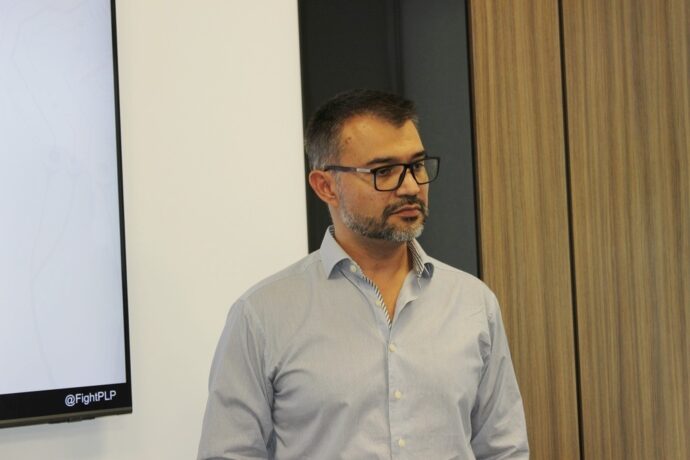
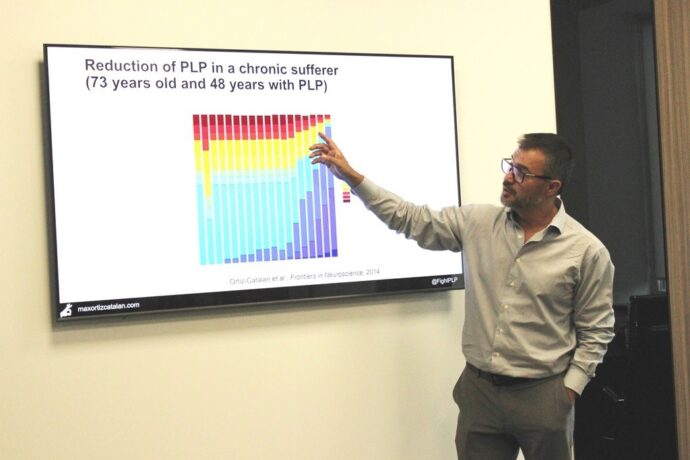
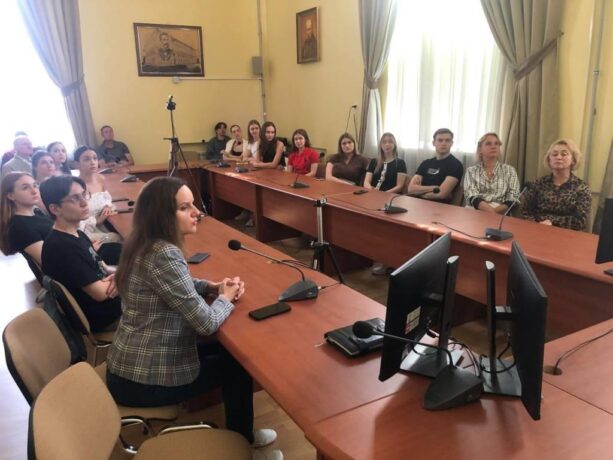
During his lecture to the university’s academic staff from relevant departments, Professor Ortiz Catalan presented the latest scientific approaches to treating phantom limb pain, one of the most common and challenging consequences of limb amputation. Particular emphasis was placed on the use of surface electromyography (EMG)—a technology that records the electrical activity of residual muscles, analyzes their function, and uses these signals to control bionic prostheses and support effective rehabilitation.
The practical part of the event took place at the Garta by Forward Ortho Prosthetics and Adaptation Center, where Professor Ortiz Catalan conducted a hands-on training session using state-of-the-art surface EMG equipment. Participants learned how to operate a high-precision electromyography system capable of monitoring muscle activity in real time, providing biofeedback, training patients to control their residual muscles, improving the operation of bionic prostheses, and helping reduce the intensity of phantom limb pain.
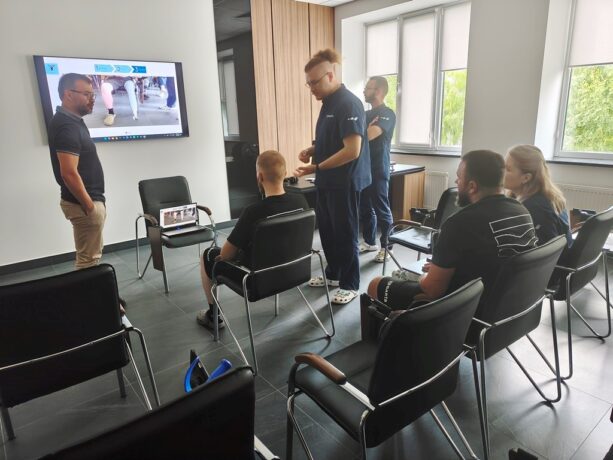
During the training, Professor Ortiz Catalan demonstrated how electromyographic signals can be used to control a virtual limb or a bionic prosthesis, thereby activating the brain’s neuroplasticity mechanisms. This approach contributes not only to functional recovery but also to a significant reduction in phantom limb pain, improved adaptation to prosthetic devices, and an overall enhancement of patients’ quality of life following amputation.
In the context of the ongoing full-scale war, the treatment of phantom limb pain and the advancement of modern rehabilitation for amputees have become issues of particular importance for Ukraine. The introduction of the innovative technologies presented by Professor Max Ortiz Catalan represents an important step toward strengthening rehabilitation medicine, enhancing specialist training, and integrating international best practices into Ukraine’s healthcare system.