

TNMU Associate Professor Contributed to Developing Recommendations on Integrating Arts into Healthcare and Education
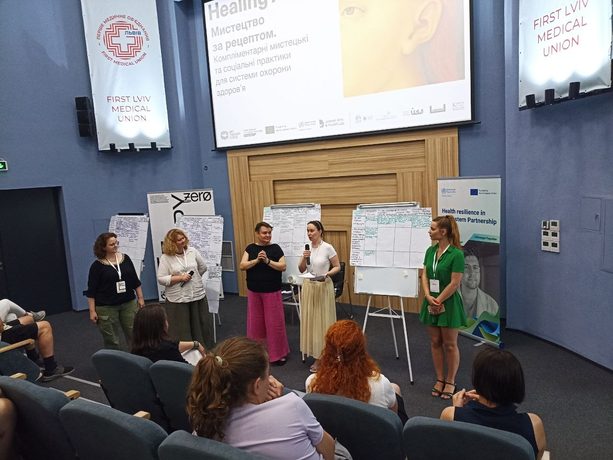
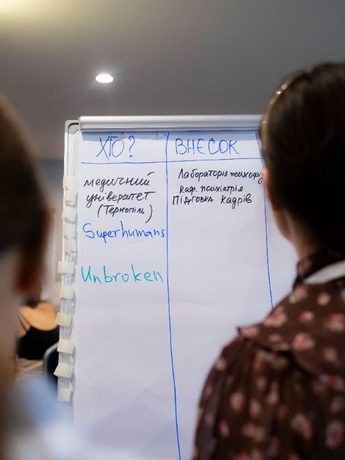
Natalia Volotovska, Associate Professor of the Department of Physiology with Bioethics at I. Horbachevsky Ternopil National Medical University and Doctor of Medical Sciences, contributed to the development of conclusions and recommendations that will be presented to the Ministries of Culture, Education, Health, and Social Protection, as well as to the relevant departments of the Lviv City Council. The resulting document is intended to become a foundation for the further development and institutionalization of Healing Arts approaches in Ukraine.
Among the approved proposals is the strengthening of the preventive and population-oriented dimension of Healing Arts. This involves considering art not only as a tool for therapy and rehabilitation but also as a resource for supporting psychosocial well-being, work capacity, social activity, and resilience among healthy individuals. A particular emphasis has been proposed on children and young people, as well as on integrating safe arts-based practices into educational environments.
Another important component of the development of this field is the systematic evaluation of its effectiveness and safety, including the collection of data on health outcomes, social functioning, and the experiences of programme participants. Such an approach makes it possible to combine the potential of art to support health with the principles of evidence-based practice and responsible implementation.
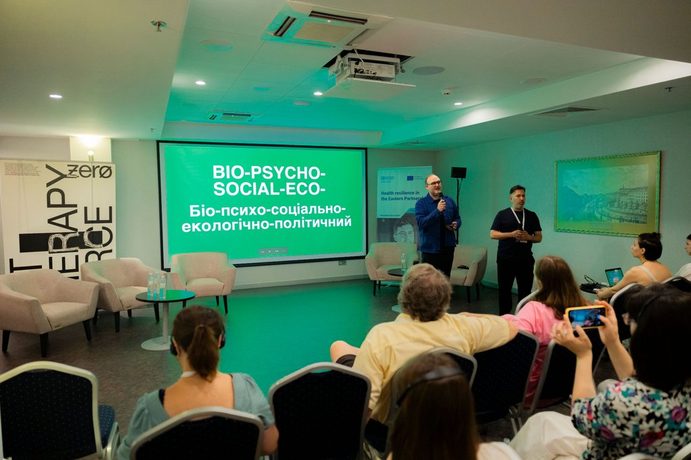
The work on the documentation was completed on 5 September 2026 and marked the culmination of the eight-day international programme Healing Arts Ukraine, which included training at the International Healing Arts School and participation in the Art for Health Congress, held in Lviv from 23 to 30 June 2026.
The intensive programme combined lectures, panel discussions, practical workshops, and arts laboratories dedicated to contemporary approaches to supporting people in the context of war, forced displacement, loss, and prolonged stress.
Thirty-three participants were selected for the School from among 333 representatives of the fields of public health, psychology, art therapy, medicine, and science. The School and the Congress brought together Ukrainian and international experts around a question that has become particularly relevant in the context of war: how to consciously and safely use the potential of art to support mental health, resilience, and human recovery.
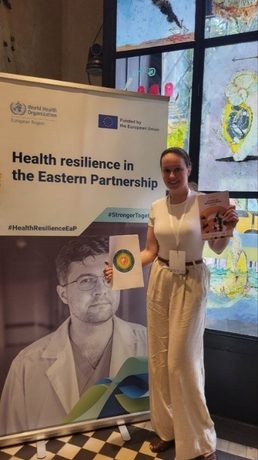
In addition to new professional knowledge and a certificate of professional development, each graduate received a valuable book by J. Lobban, Art Therapy for Military Veterans.
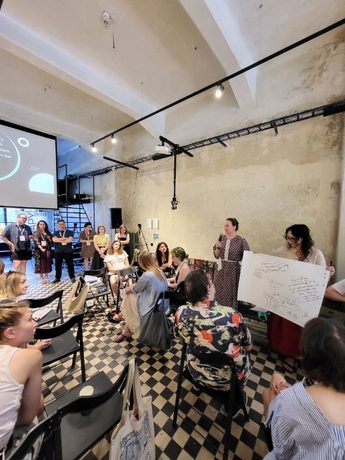
One of the key themes of the event was trauma-attuned art—art that is sensitive to trauma. This approach is based on contemporary knowledge of the neurobiology of trauma, the principles of psychological safety, and ethical interaction. It views art not only as a means of creative self-expression but also as a tool for building inner resilience, supporting mental health, developing the capacity for self-regulation, and restoring human potential.
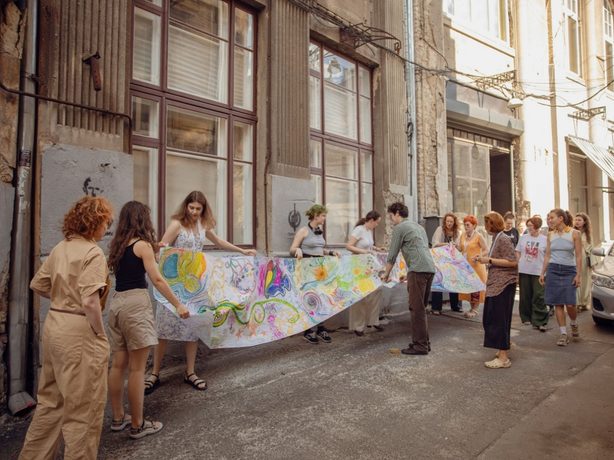
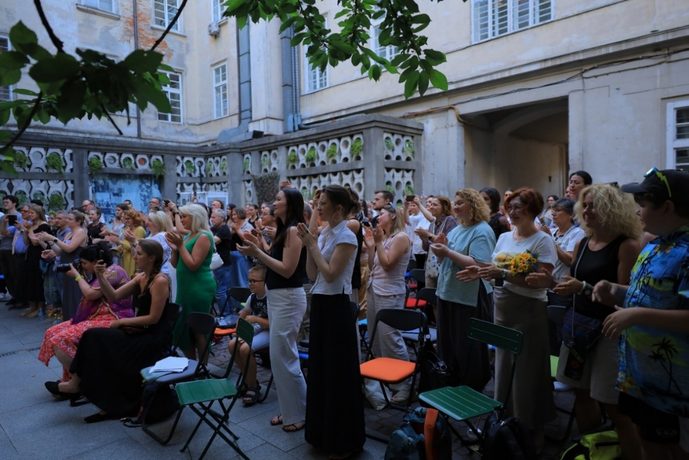
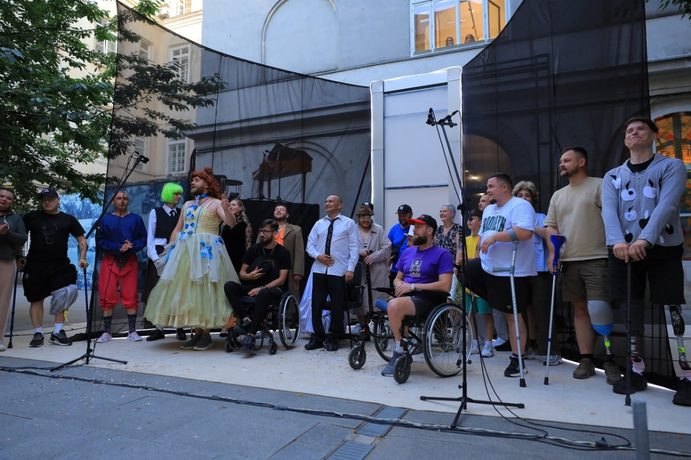
Another particularly inspiring discovery was the healing art therapy sessions involving our defenders at the UNBROKEN Rehabilitation Centre. Their emotional and talented performance in a production by the Theatre of the Unbreakable, followed by their participation in the concert on the final day of the Congress, fostered resilience and the desire to recover not only among the participants themselves but also among everyone present.
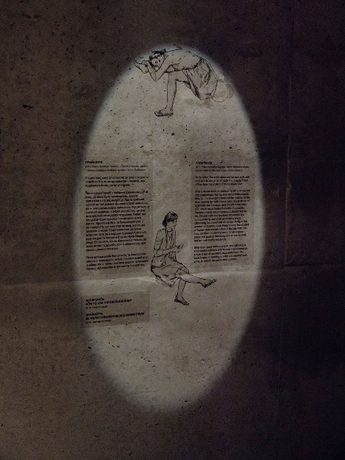
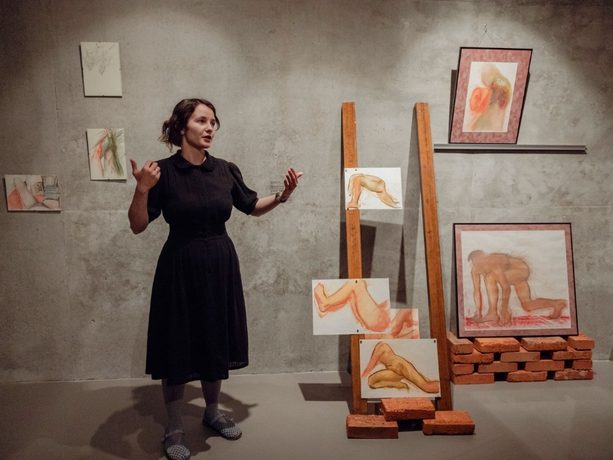
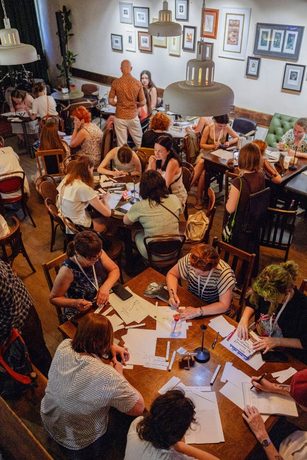
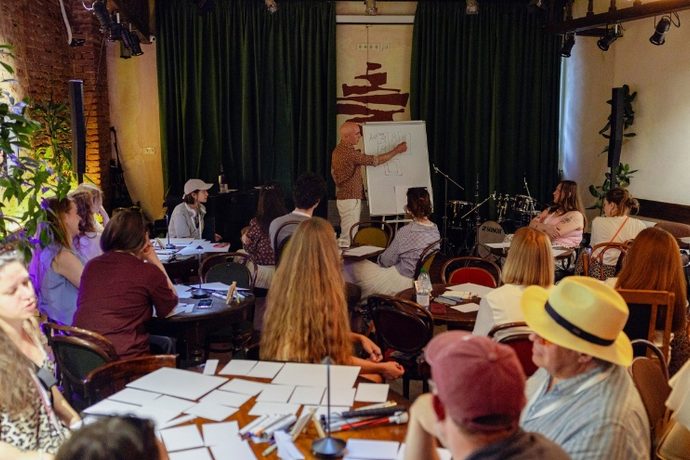
During a workshop led by Lviv artist Mykola Hlibovych on creating comics and exploring the interaction between text and images, participants gained many unexpected insights into themselves and the world around them.
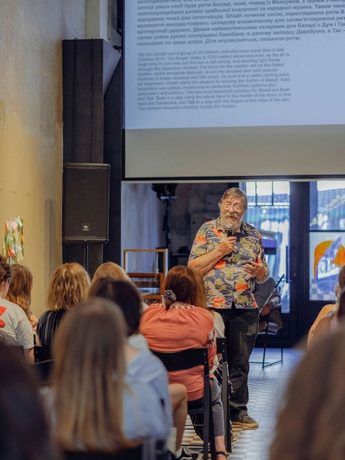
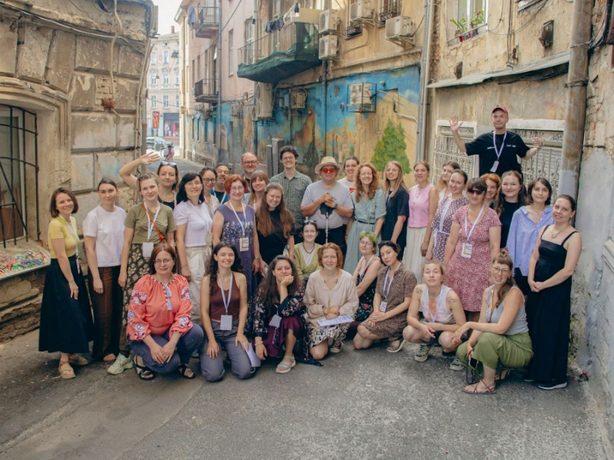
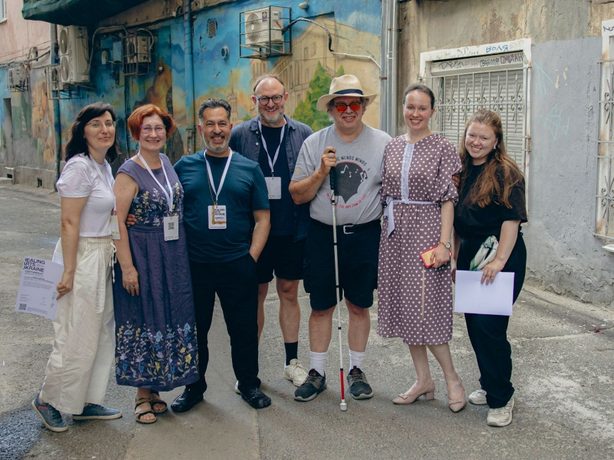
Among the international speakers at both the School and the Congress were world-renowned experts, including Christopher Bailey, co-founder of the Jameel Arts & Health Lab and former Head of Arts & Health at the WHO Regional Office for Europe; Nigel Osborne, a British composer, music therapist, and researcher studying the impact of art on the recovery of children affected by war; Marc Boumeester, a Dutch philosopher and researcher in somaesthetics and embodied cognition; Henry Redwood, a lecturer at the Department of War Studies at King’s College London; Darren Abrahams, a trauma therapist, co-developer of the Framework for Trauma-Attuned Arts, and co-founder of the One World Orchestra; Angela Kennedy, a clinical psychologist and specialist in psychological trauma; as well as many other leading experts in the fields of arts and health, mental health, medical education, and the humanities.
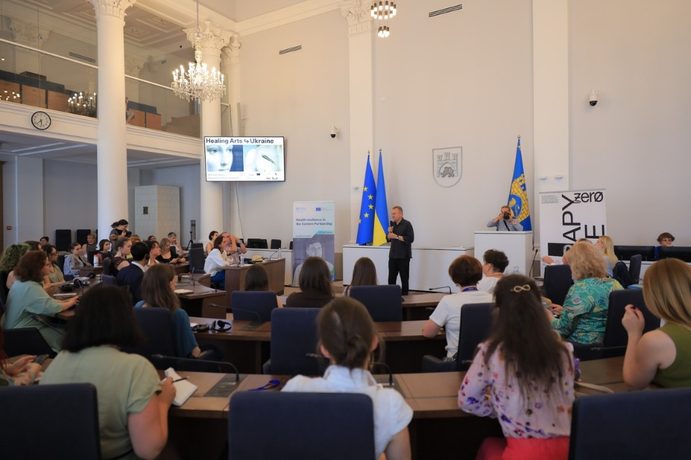
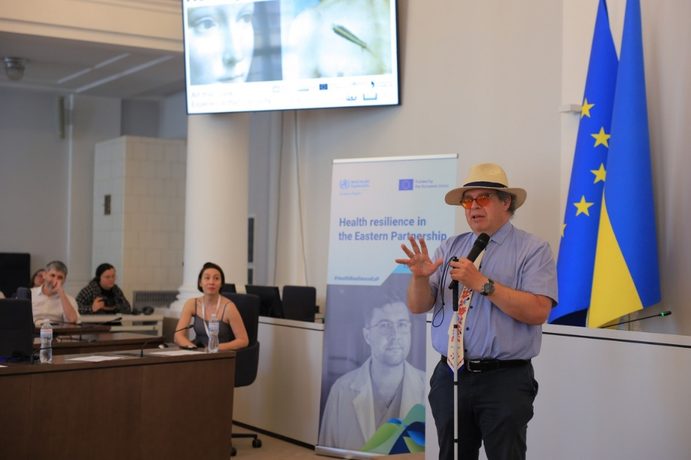
Participation in the International School and the Congress opened up new opportunities for professional dialogue, the establishment of international cooperation, and the implementation of modern Healing Arts and trauma-attuned art approaches in the educational and research environment of I. Horbachevsky Ternopil National Medical University.
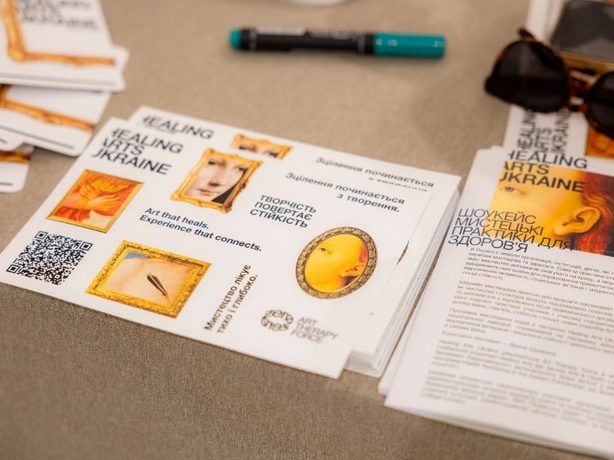
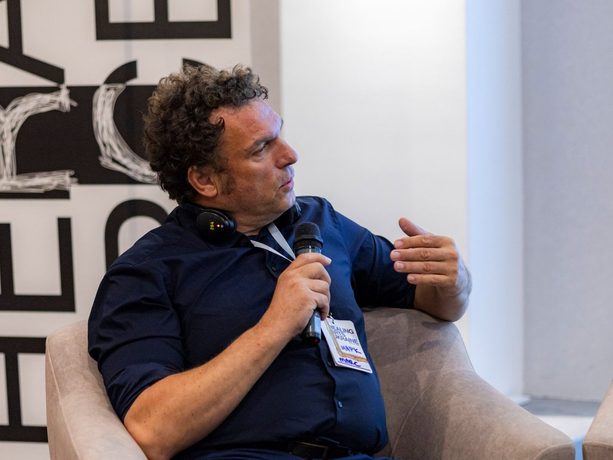
Healing Arts Ukraine is implemented by the non-governmental organization Art Therapy Force in partnership with the Jameel Arts & Health Lab, the WHO Regional Office for Europe, and King’s College London, with the participation of Ukrainian and international partners, including the UNBROKEN Centre, the Institute for Cultural Strategy, the Lviv City Council, and other institutions. The initiative is part of the Health Resilience in the Eastern Partnership programme, funded by the European Union.
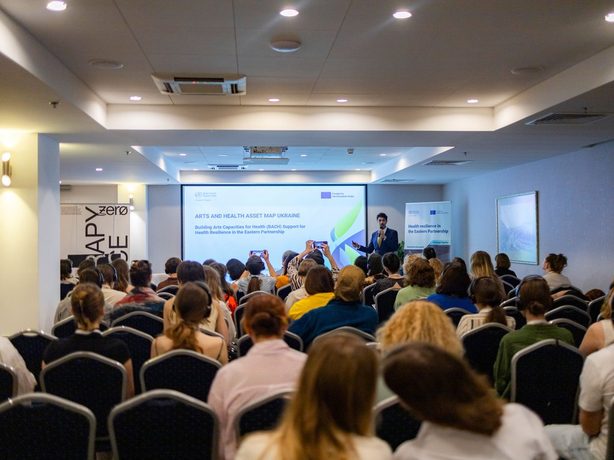
I would like to express my sincere gratitude to the Rector of I. Horbachevsky Ternopil National Medical University, the University administration, and the leadership of the Department of Physiology with Bioethics for their support, which made it possible to represent the University at one of the largest international events in the field of arts and health in Ukraine and to participate in a meaningful professional dialogue and in the development of recommendations for advancing this field in Ukraine.