

TNMU Specialists Triumph in Norway at the EMSNOR26 National Championship
The Ukrainian emergency medical team secured a convincing victory at the 20th anniversary national EMSNOR26 Championship, held on August 30–31, 2026, in Jessheim, Norway.
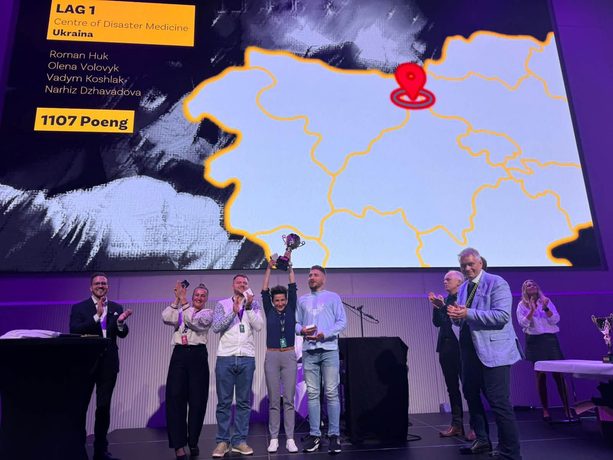
The competition, organised by the national EMS Norway service, brought together 13 teams from Norway (including 11 Norwegian teams), Denmark, and Ukraine. Following a series of challenging scenarios, the Ukrainian medical team won the title of “Best International Team” and took first place in the overall standings with 1,107 points. They outperformed the strongest Norwegian team, Helse Stavanger HF, which scored 1,065 points.
The Ukrainian team included Roman Huk, a physician and Assistant Professor at the Department of Emergency and Simulation Medicine of I. Horbachevsky Ternopil National Medical University. His teammates competing for the victory were Nargiz Dzhavadova, a physician at the State Institution “Ukrainian Scientific and Practical Center for Emergency Medical Care and Disaster Medicine of the Ministry of Health of Ukraine”; Olena Volovyk, a physician at the Vinnytsia Center for Emergency Medical Care and Disaster Medicine / Ukrainian Scientific and Practical Center; and paramedic Vadym Koshlak, also from the State Institution “Ukrainian Scientific and Practical Center for Emergency Medical Care and Disaster Medicine of the Ministry of Health of Ukraine.”
Halyna Tsymbaliuk, a physician at the State Institution “Ukrainian Scientific and Practical Center for Emergency Medical Care and Disaster Medicine of the Ministry of Health of Ukraine” and, concurrently, an Associate Professor at the Department of Emergency and Simulation Medicine of TNMU, served as one of the championship judges.
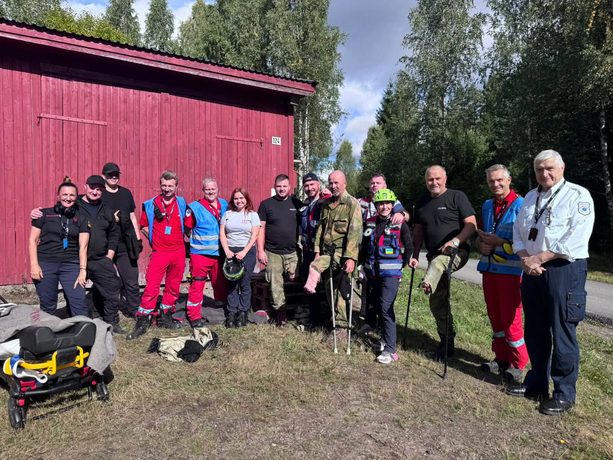
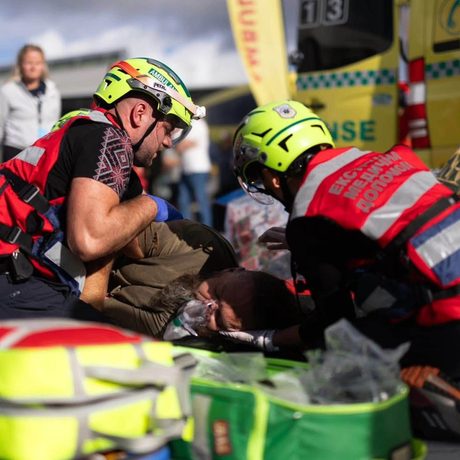
Over the course of two days, participants faced 13 demanding simulation scenarios designed to replicate as closely as possible the real working conditions of emergency medical teams.
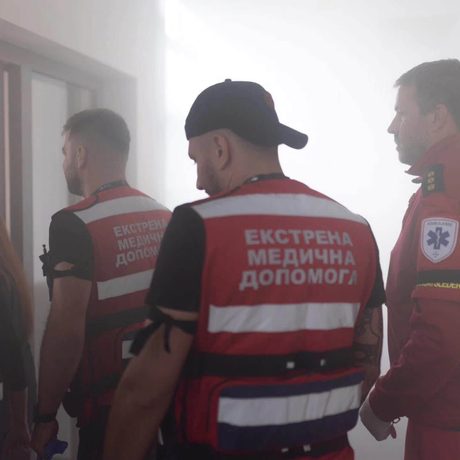
The organisers created realistic emergency-call environments using professional trauma moulage, trained actors, sound and visual effects, smoke, screams, explosions, and other factors designed to increase the complexity of the scenarios.
The competition tasks included cardiopulmonary resuscitation, providing care to victims of a terrorist attack and explosion, treating burn patients, responding to a domestic violence case, evacuating an injured person from a high-rise crane, and managing other complex clinical situations.
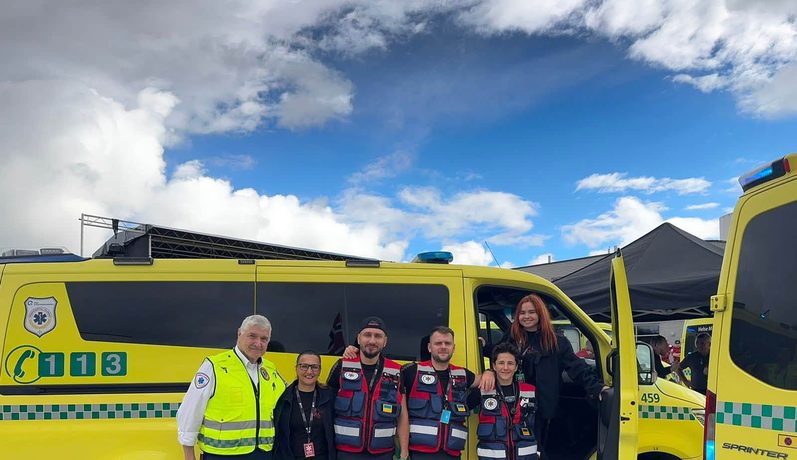
Each team had only 15 minutes to complete a scenario. During this time, they had to assess the situation, determine priorities, provide the necessary medical assistance, and plan further patient management.
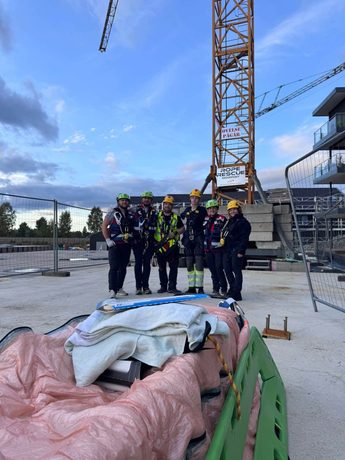
The Ukrainian team achieved victory under a triple challenge. They competed without a preparatory adaptation period, which required them to quickly adjust their usual working algorithms. The Ukrainian medical professionals worked in a Norwegian ambulance equipped with equipment that differs significantly from its Ukrainian counterparts. Communication during the simulations took place simultaneously in three languages — English, Norwegian, and Ukrainian. The judges assessed adherence to protocols, situational awareness, the quality of team communication, crew safety, and the ability to prioritise tasks under severe time constraints.
The Ukrainian team demonstrated its particular strengths in scenarios involving threats to the safety of the medical professionals themselves, limited time and resources, or the need to provide simultaneous assistance to multiple casualties. The team rapidly adapted its tactics, determined the order in which patients should receive care, and made decisions in situations where complete information was unavailable. The highly coordinated teamwork and adaptability of the Ukrainian medical professionals enabled them to achieve the best overall result of the tournament.
The experience gained at the championship can be used to further improve simulation-based education, train future doctors and emergency medical professionals, and strengthen TNMU’s international cooperation.