

Psychoeducational Meeting Held at TNMU Mental Health Centre on the Occasion of World Mental Health Day
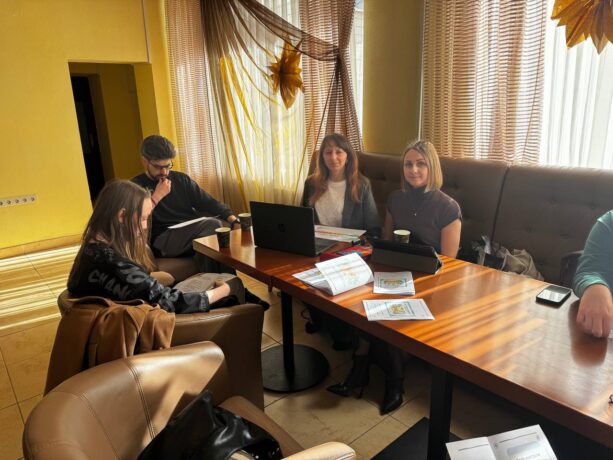
On 12 September 2026, a psychoeducational meeting dedicated to mental health, recognising the signs of stress, and developing self-help skills was held at the Mental Health Centre of I. Horbachevsky Ternopil National Medical University.
The event aimed to provide participants with information about mental health and create a space where psychological difficulties could be discussed clearly, openly, and without stigma.
The main topic of the meeting was “Mental Health Under Prolonged Stress: How to Recognise the Warning Signs, Support Yourself, and Seek Help in Time”.
At the beginning of the event, participants learned about the activities of the TNMU Mental Health Centre, its areas of work, and the opportunities available for receiving professional support. Particular attention was paid to distinguishing normal responses to stress from conditions in which psychological or physical symptoms begin to significantly affect sleep, study, work, everyday functioning, and relationships.
The theoretical component was combined with interactive activities. Participants explored their own perceptions of stress, discussed its emotional, cognitive, behavioural, and physical manifestations, and learned to recognise the signs of overload more attentively.
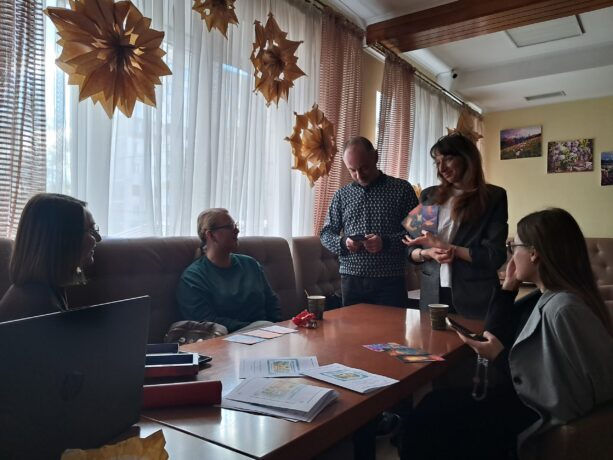
One of the practical activities involved a “stress thermometer”. Participants were invited to assess their subjective level of stress and tension and then repeat the assessment after completing the exercises to observe any changes.
During the practical session, participants tried simple, evidence-based self-regulation techniques. These included slow breathing, with an emphasis on a comfortable, prolonged exhalation, and the 5–4–3–2–1 grounding technique, designed to bring attention back to the present moment through sight, touch, hearing, smell, and taste.
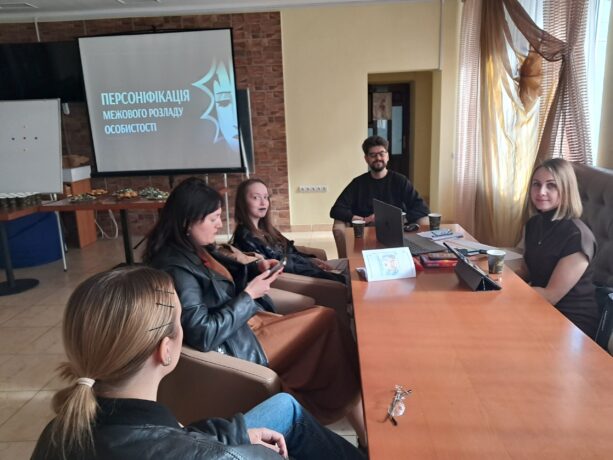
An important part of the meeting was a discussion about seeking professional help in a timely manner. Participants explored signs that may indicate the need for a consultation with a specialist and learned more about the principles of confidentiality and the opportunities for receiving support at the TNMU Mental Health Centre.
At the end of the meeting, participants worked with metaphorical associative cards, reflecting on two questions: “What would I like to take away from this meeting?” and “What can serve as a source of support for me right now?” The meeting concluded with informal conversation over tea and coffee.
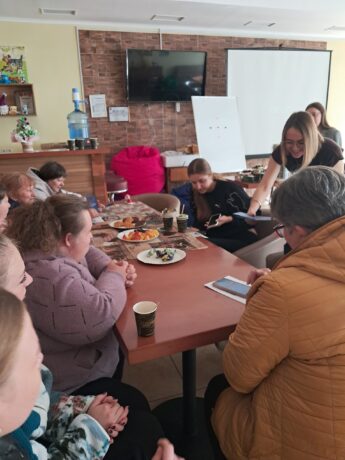
Events of this kind are one of the areas of work of the TNMU Mental Health Centre, aimed at fostering a culture of mental health care, improving mental health literacy, and encouraging a responsible attitude towards one’s own well-being.
After all, mental health is not merely the absence of a mental disorder. It also involves the ability to recognise one’s own state, understand personal needs, make use of available resources, and know when the support available is insufficient and professional help should be sought.
The TNMU Mental Health Centre is a space where mental health can be discussed professionally and safely.