

A Conference, “Medical and Social Problems of Childhood,” Was Held at TNMU
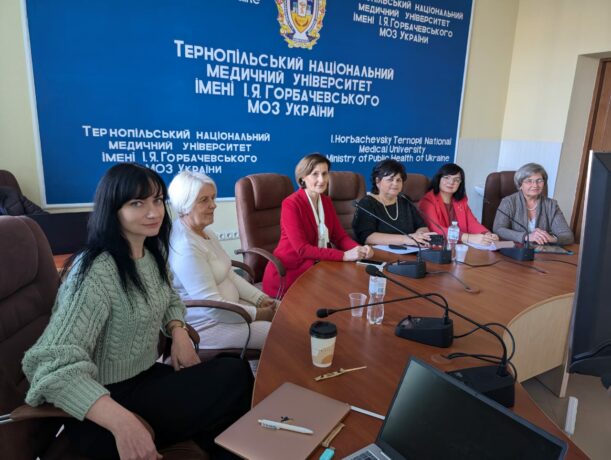
On October 25-26, 2024, the All-Ukrainian Scientific and Practical Conference with International Participation, “Medical and Social Problems of Childhood,” occurred at I. Horbachevsky Ternopil National Medical University (TNMU). The event was organized by the Department of Pediatric Diseases with Pediatric Surgery at TNMU and the public organization “Association of the Medical Community of Ternopil.”
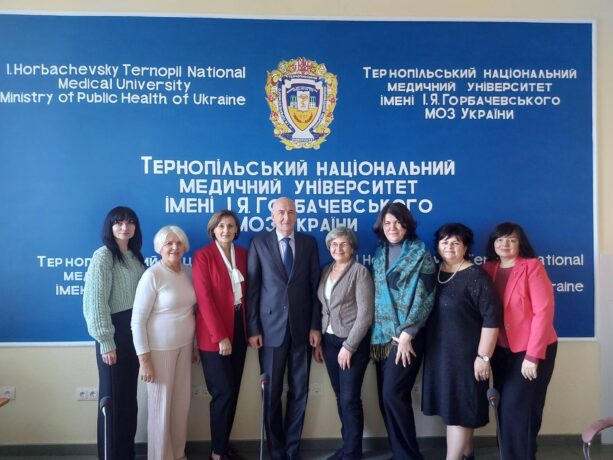
Leading experts from Ukraine and Sweden participated in the conference. During the sessions, 38 scientific reports were presented and discussed.
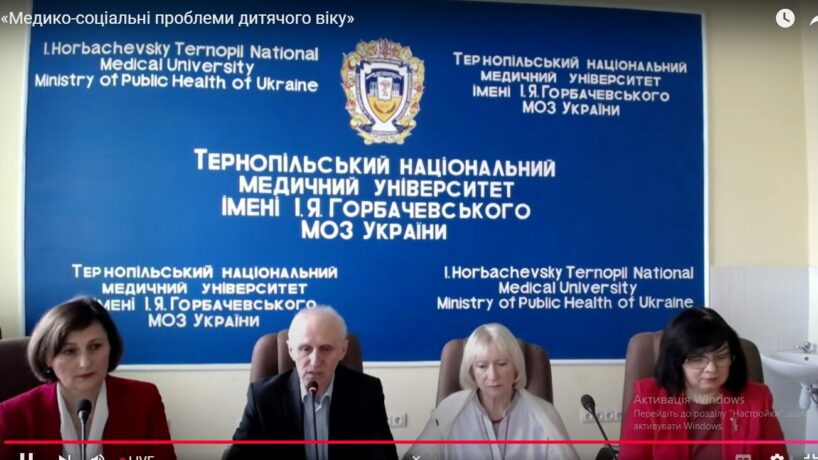
In his welcoming speech to the conference participants, the Vice-Rector for Research, Professor Ivan Klishch, emphasized the relevance of the proposed conference topics, especially in times of war, and stressed the importance of this event. He highlighted the challenges in providing medical care to any population category under the current war conditions, noting that the population, especially children, experiences chronic stress, exacerbating the course of somatic diseases, which has significant implications for behavioral responses and pathological processes in children. He called for doctors and scientists to consolidate, analyze, and implement new protocols and algorithms to provide children with medical care.
The first session, “Diagnosis and Treatment of Rare Childhood Diseases,” was opened by Professor Olha Fedortsiv from the Department of Pediatric Diseases with Pediatric Surgery, who delivered a report on “Vaccination Challenges for Children During Wartime.” She identified the leading causes of infectious disease outbreaks in Ukraine amid the war, conditions for vaccine-preventable infections, and logistics issues with vaccine delivery. She underscored the importance of vaccinating children during the conflict.
Another important presentation was delivered by Professor Oksana Boyarchuk, Head of the Department of Pediatric Diseases with Pediatric Surgery, “Still’s Disease in Children: New Approaches to Diagnosis and Treatment Following EULAR|PRES 2024 Recommendations.” She covered the pathogenesis, course, diagnostic criteria, and primary symptoms of Still’s disease in children, focusing on diagnosis and treatment protocols.
Associate Professor Oleksandra Shulhai presented on “Inflammatory Bowel Disease in Children in Today’s Realities: What Pediatricians Should Pay Attention To,” detailing diagnostic criteria, differential diagnosis, and treatment of Crohn’s disease and ulcerative colitis in children.
Professor Nataliya Balatska from the Department of Pediatrics No. 1 at Bogomolets National Medical University in Kyiv spoke on “Recognizing and Treating Vitamin D Hypervitaminosis.” She discussed the causes, hypersensitivity of the body to vitamin D, clinical symptoms, and treatment of this condition, and outlined the basic principles of rickets prevention and treatment in children.
Maryana Koshmaniuk, the founder and chair of the parent association for children with spina bifida and hydrocephalus, “Syaivo Duhu,” presented on “Living with Spina Bifida,” sharing insights into the incidence, symptoms, diagnostics, and critical issues in the treatment, care, and prevention of this condition in children and pregnant women.
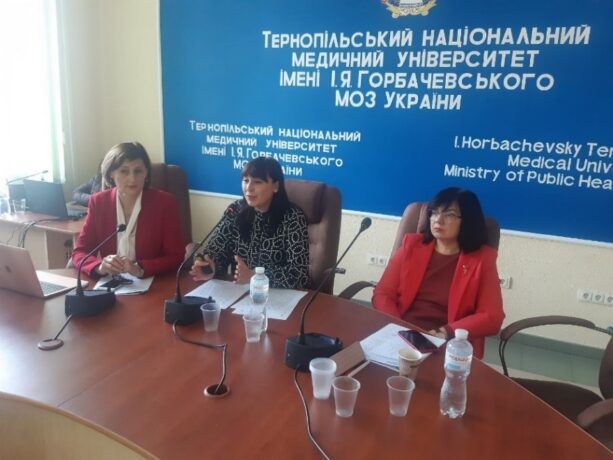
Anastasia Hrekh, a student of TNMU, presented “Changes in Mineral Metabolism in Patients with Spina Bifida,” analyzing the prevalence of vitamin D, calcium, and phosphorus deficiency in children with spina bifida, evaluating nutritional adequacy, and providing recommendations for addressing deficiencies.
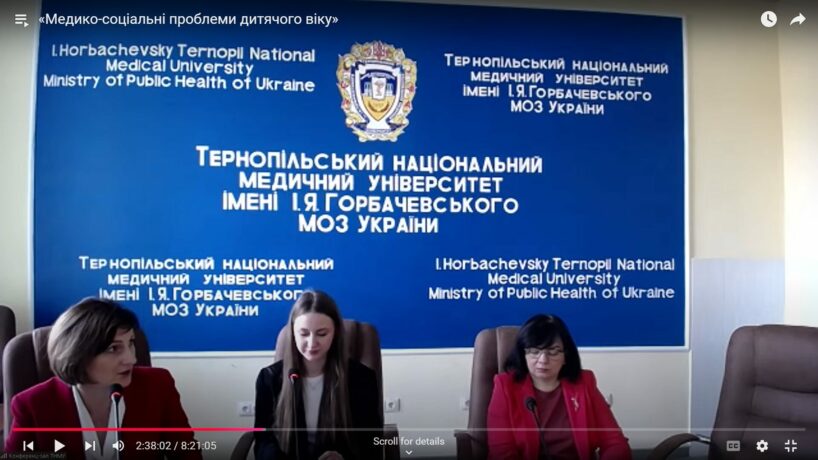
Associate Professor Tetiana Kovalchuk from the Department of Pediatrics No. 2 at TNMU shared insights on the etiology, early signs, symptoms, diagnosis, and various screening tests for autism spectrum disorders, explaining treatment and intervention methods for affected children.
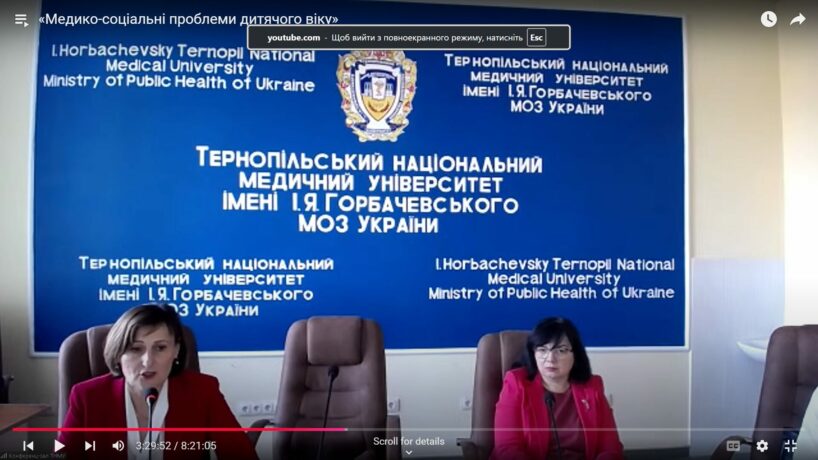
Professor Oksana Boyarchuk discussed the results of genetic testing for children with developmental delays, presenting findings on detected pathologies using various methods, including WES diagnostics, describing Coffin-Siris syndrome symptoms and treatment approaches.
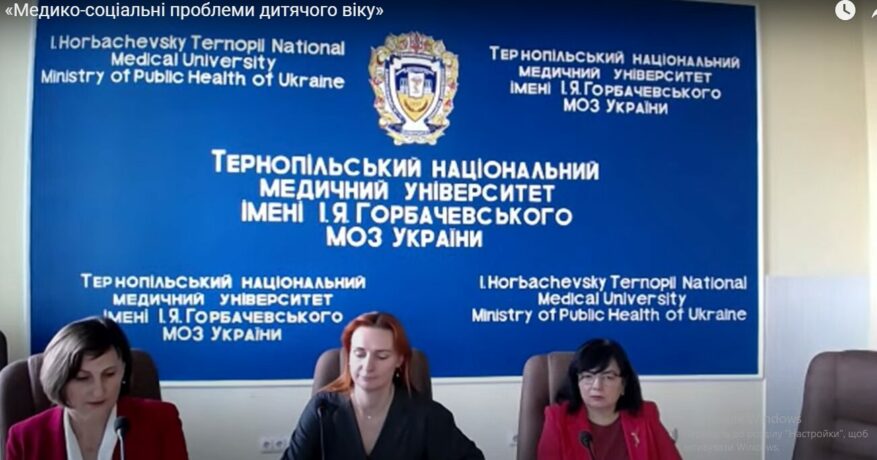
Yevheniia Sharhorodska, a senior researcher at the Institute of Hereditary Pathology of the National Academy of Medical Sciences of Ukraine located in Lviv, delivered a presentation on “Determining Folate Cycle Gene Polymorphisms: When, for Whom, and Why?” She explained the role of folates in children’s bodies, key metabolism stages, and the folate cycle and addressed homocysteinemia diagnostics and treatment.

Lars Ljungstrom from Scaraborg Hospital in Skövde, Sweden, presented “How to Avoid Missing Sepsis Symptoms.” He outlined the leading causes, clinical symptoms of sepsis, and diagnostic and treatment methods for this pathology in children.

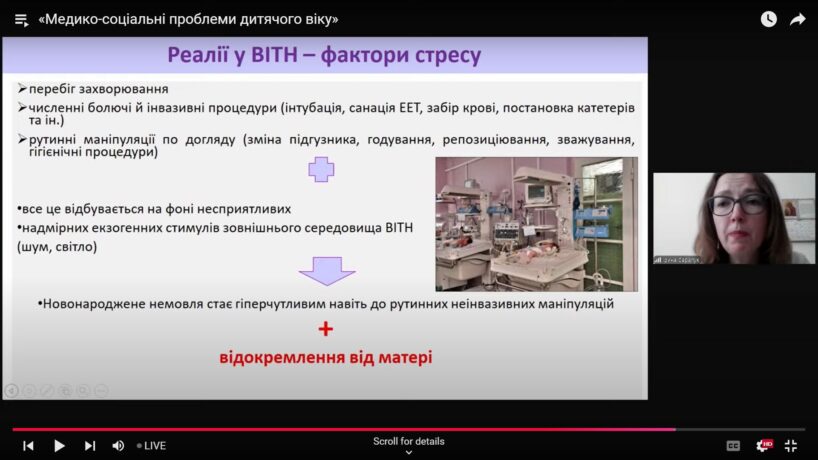
An interesting report on neonatal stress and pain assessment in the intensive care unit was delivered by Associate Professor Iryna Sarapuk. She discussed the main clinical signs of neonatal stress, pain assessment rules, and acute and chronic stress factors affecting children.
Associate Professor Olena Smashna of the Department of Psychiatry, Narcology, and Medical Psychology presented “Attention Deficit Hyperactivity Disorder: A Differentiated Approach to Treatment,” summarizing modern neurobiological and neuropsychological research methods for ADHD and individualized treatment strategies.
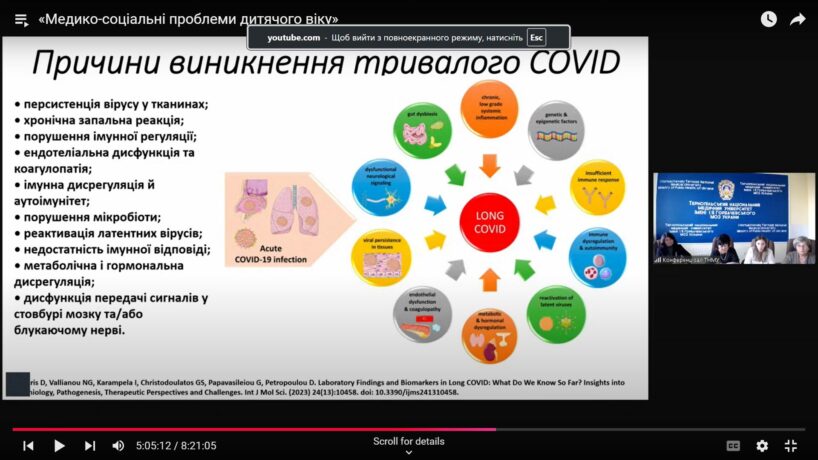
The second session of the scientific conference, “Problems of Pediatric Infectious Diseases,” began with a report by Vita Perestiuk, a graduate student from TNMU’s Department of Pediatric Diseases with Pediatric Surgery. She discussed the causes of prolonged COVID-19 and the clinical and laboratory profiles of COVID-19 patients. She recommended using vitamin D and zinc supplements to prevent the disease, reduce severe cases, and prevent long-term COVID in children.
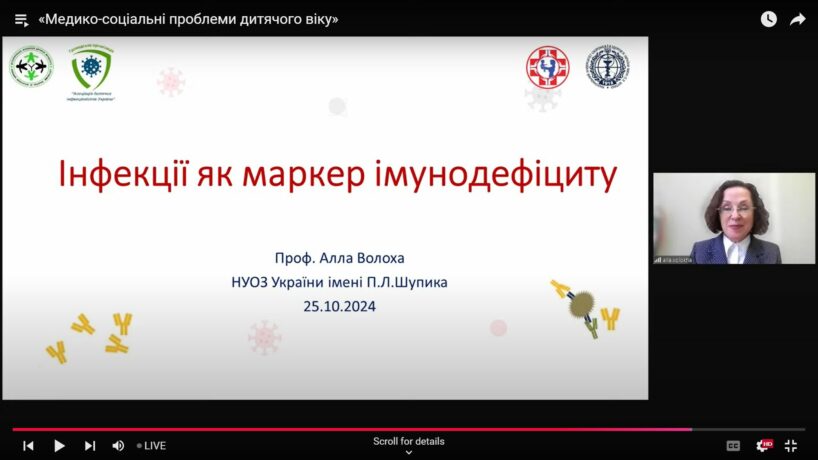
Professor Alla Voloha from Shupyk National Health University of Ukraine in Kyiv spoke on “Infections as a Manifestation of Immunodeficiency,” discussing risk factors for recurrent infections, clinical manifestations of primary immunodeficiencies, and the role of infections in the clinical picture of significant immunodeficiency diseases and congenital immune errors.
Professor Leonid Hryshchuk of TNMU’s Department of Propaedeutics of Internal Medicine and Phthisiology discussed the peculiarities of tuberculosis in children and adolescents in Ternopil region.
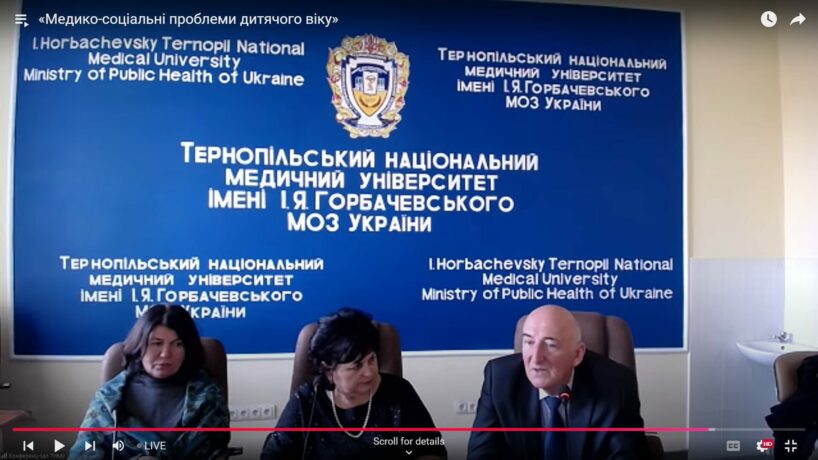
Associate Professor Ulyana Mudryk presented
on “West Nile Fever,” covering the leading causes, clinical symptoms,
diagnostic methods, and treatment of this disease in children.
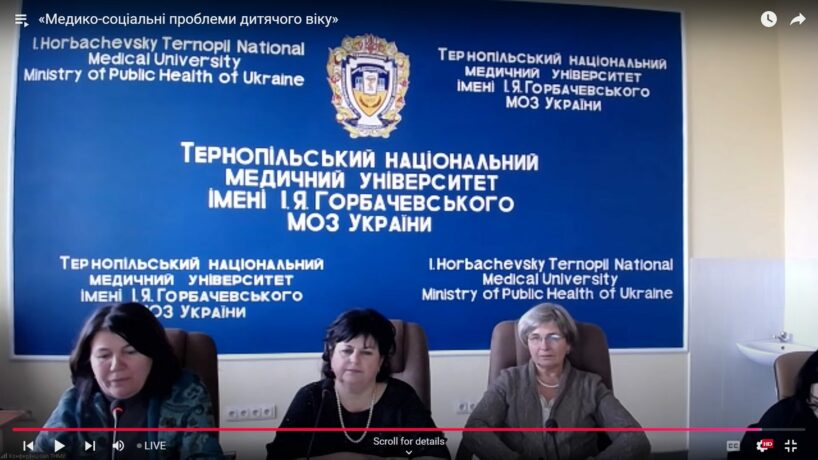
Associate Professor Liubov Volianska discussed rabies issues in wartime, detailing its prevalence, clinical manifestations, preventive vaccinations, and patient protocols in rabies-prone cases.
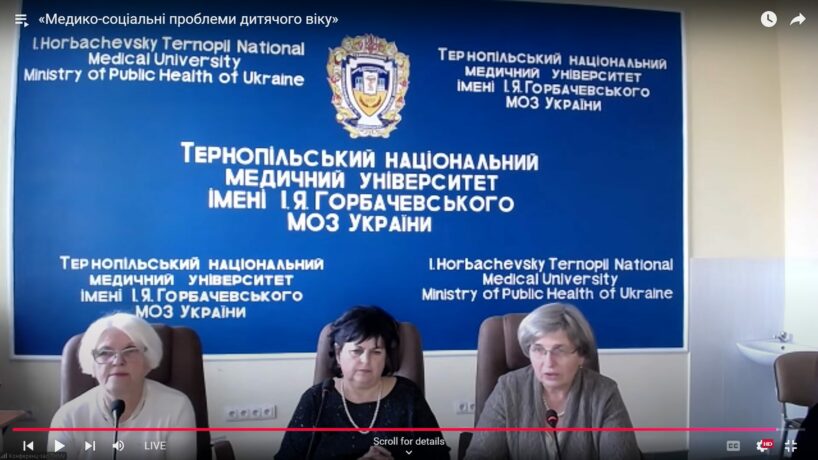
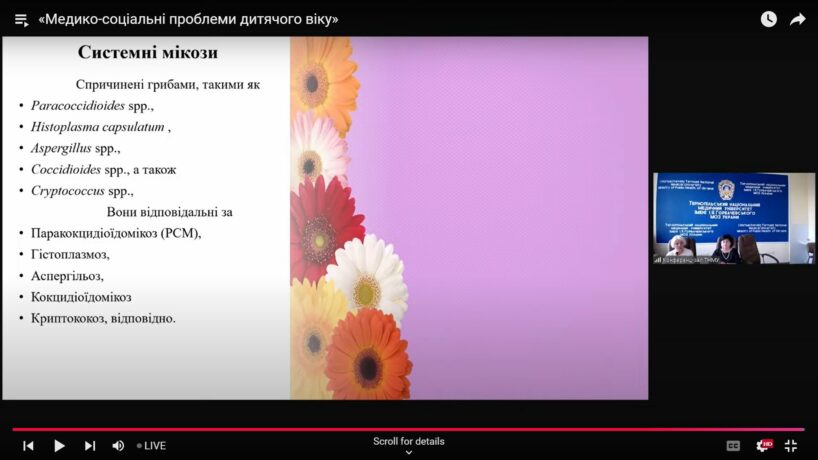
Sophiia Levenets, Associate Professor of the Department of Pediatric Diseases with Pediatric Surgery, presented on modern laboratory diagnostics of systemic mycoses in children.
Associate Professor Svitlana Nykytiuk presented “Lyme Borreliosis Diagnostics Algorithm for Children,” sharing her research on Lyme disease in children, outlining a diagnostic algorithm, treatment methods, and clinical cases.
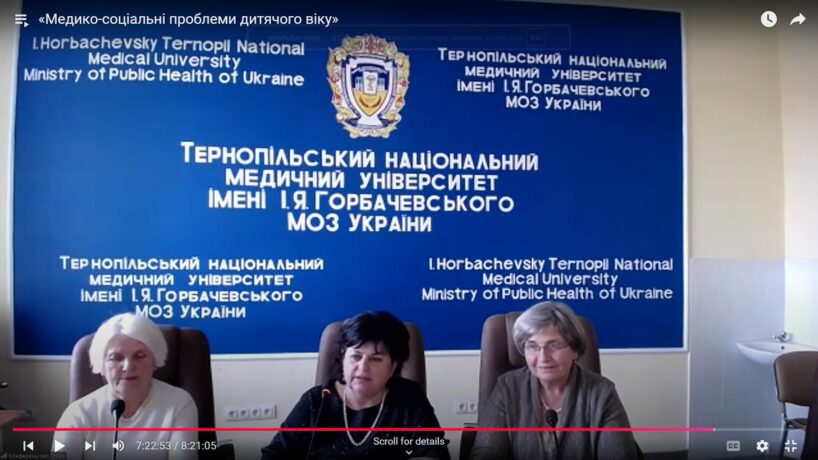
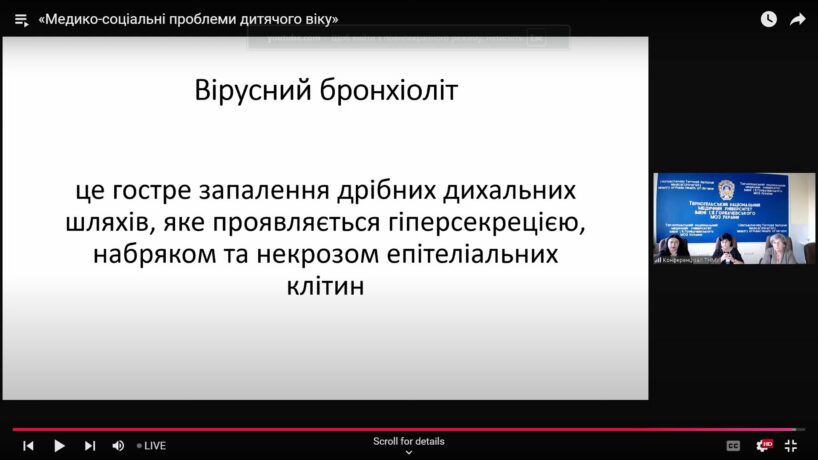
At the conference, Associate Professor Nataliya Shcherbatyuk presented a report, “Bronchiolitis as a Disease of Minimal Interventions.” The report assessed the severity of acute bronchiolitis and provided an algorithm for medical care. The presenter went into detail on issues related to unnecessary diagnostics and treatment for this condition in children.
At the conference’s conclusion, participants summarized the sessions’ work, adopted a resolution, and expressed gratitude to the university administration and all participants for their active contributions to the scientific forum.