

OSCE–2026 at TNMU: From Knowledge to Clinical Practice
From March 31 to April 29, 2026, the university conducted the Objective Structured Clinical Examination (OSCE) for 3rd–5th year students. A total of 948 Ukrainian and 30 international students took part in the exam. Successful completion of the OSCE is a mandatory requirement for admission to the examination session. This year’s results demonstrated a high level of professional training among students.
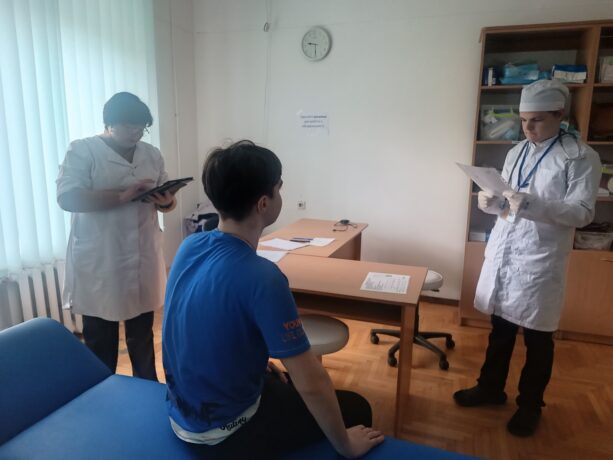
The organization and approaches to administering the OSCE at the university comply with international standards adopted in Europe, the United States, and Canada. The exam is designed to assess practical and clinical competencies that cannot be fully evaluated through test-based forms of assessment but are essential for future medical practice.
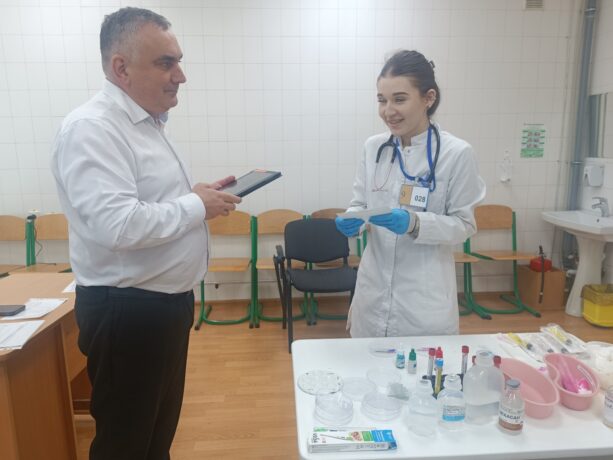
During the examination, conditions максимально resemble real clinical practice. Students demonstrate communication skills, the ability to perform physical examinations, carry out medical procedures, interpret clinical data (symptoms, syndromes, results of laboratory and instrumental investigations), and make clinical decisions. A significant number of stations are комплексні, providing integrated assessment of multiple skill sets within a single task, which is especially characteristic of 4th–5th year students.
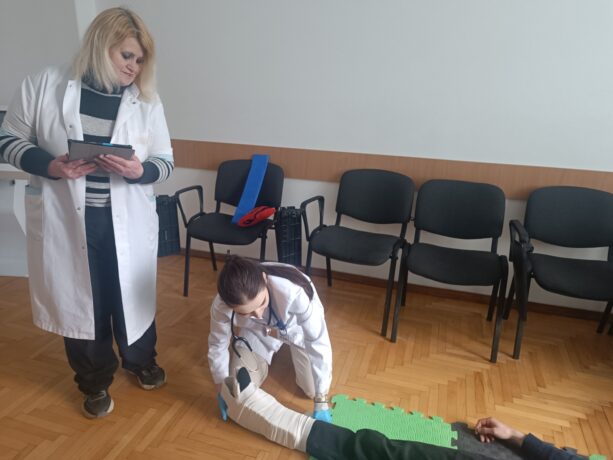
To ensure objectivity and standardization of assessment, electronic checklists and specialized software are used. These tools allow automated result calculation, improve assessment accuracy, and optimize organizational processes.
Preparation for the exam includes developing clinical cases and station scenarios based on them, defining the exam structure (OSCE blueprint), peer-reviewing materials, training standardized patients, and examiner preparation. Particular attention is given to designing complex stations that enable the assessment of integrated clinical competencies in conditions closely resembling real practice.
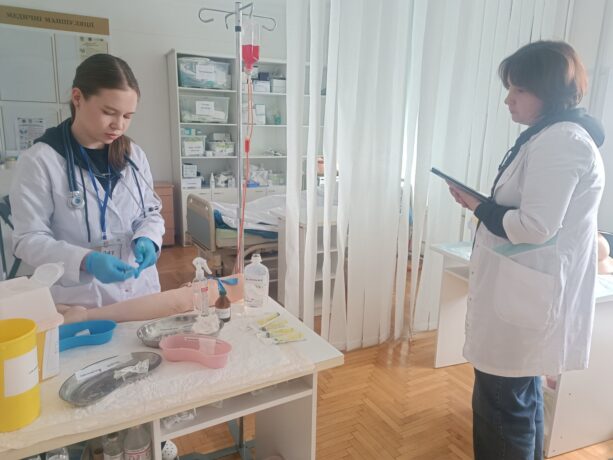
After registration and briefing, students sequentially complete 12 stations, each aimed at assessing specific practical skills and competencies предусмотрені by the curriculum of the respective course.
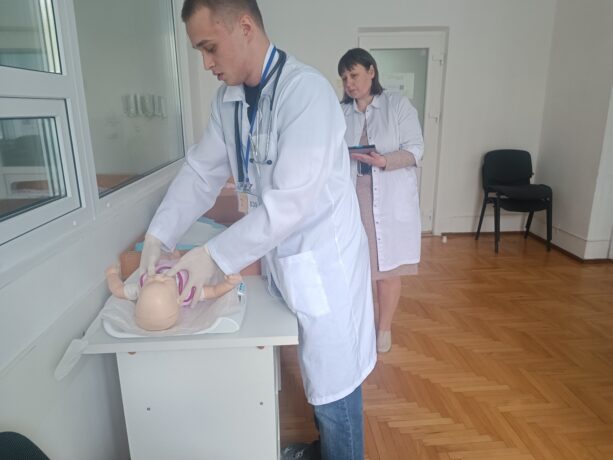
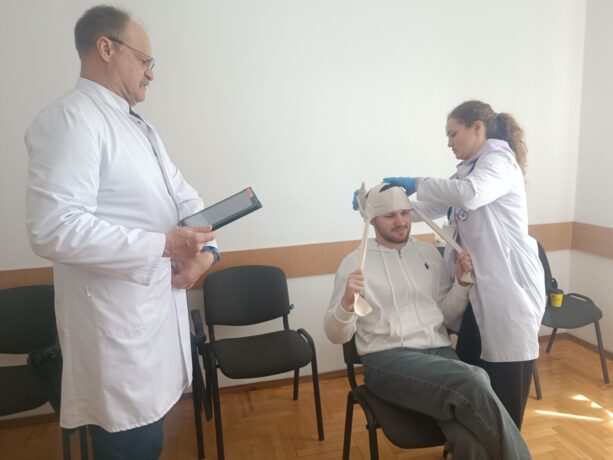
Various formats are used at the stations: standardized patients (to assess clinical communication skills), mannequins (to practice technical and manual skills), and clinical materials for analysis and decision-making.
To ensure equal conditions for all students, including those studying remotely, the OSCE has been taken in a virtual simulation of clinical cases. This opportunity is implemented within the framework of the international SAFEMED+ project (“Simulation-based training at undergraduate level for improving patient safety and quality of care”) under the Erasmus+ program.
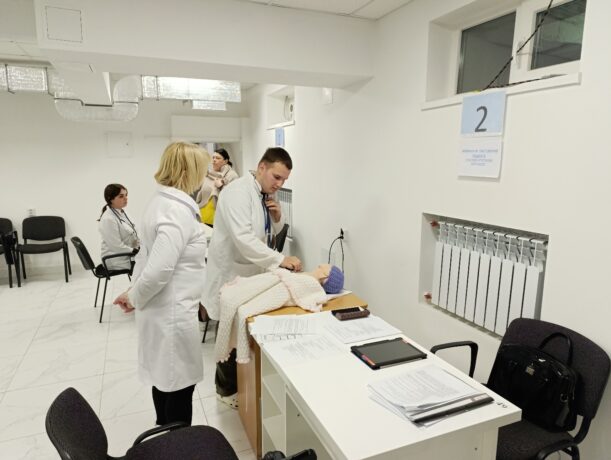
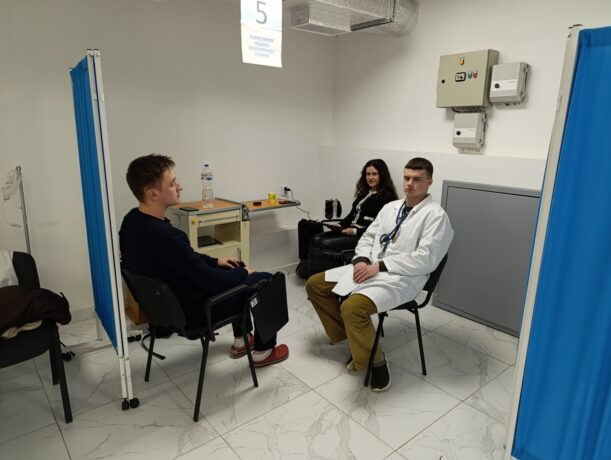
The safety of participants in the educational process remains a top priority for the university. Due to the security situation, part of the exam was conducted in shelters, where full station operations were maintained without interrupting the assessment process.
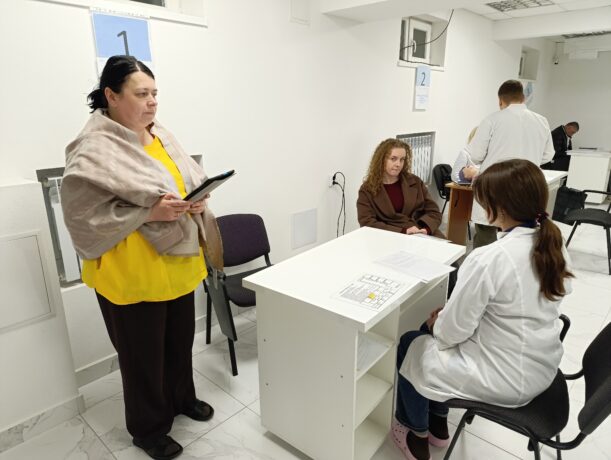
The organization of the OSCE is a complex, multi-level process that requires coordinated work by a large team of specialists. This team includes exam coordinators, faculty members responsible for station development, examiners, course coordinators, technical secretaries, staff of the interdepartmental training center, and technical support specialists. Members of the OSCE organizing and conducting working group — Nadiia Pasiaka, Nataliia Haliash, and Nataliia Petrenko — ensure effective coordination among all involved specialists and maintain the high quality of the examination aimed at achieving the best outcomes and a positive experience for both students and examiners.