

Meeting of the Erasmus+ “VITAL” Project: Key Decisions and Next Steps
In February 2026, Tbilisi became the starting point for a new chapter of professional growth, partnership, and academic innovation. The kick-off meeting of the Erasmus+ project VITAL brought together universities from Ukraine, Georgia, Spain, and Italy around a shared goal — to create a modern, open, and resilient academic environment focused on developing faculty members as leaders of change.
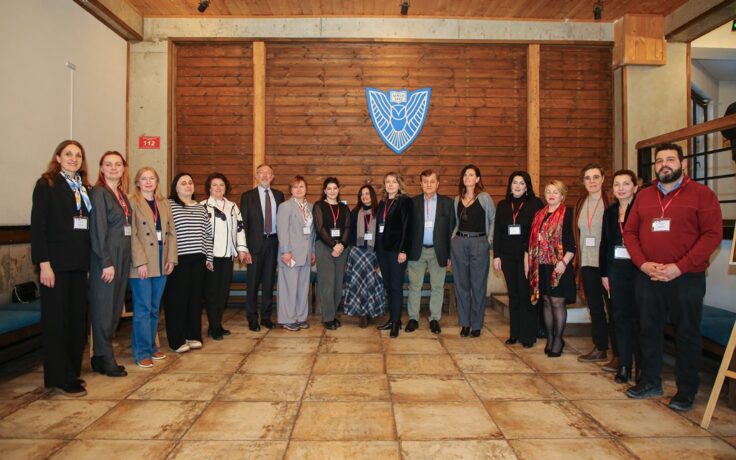
The meeting marked the official launch of the Erasmus+ project VITAL – Virtual Innovations and Training for Advancing Faculty Leaders, Digital Competencies, and Research Excellence.
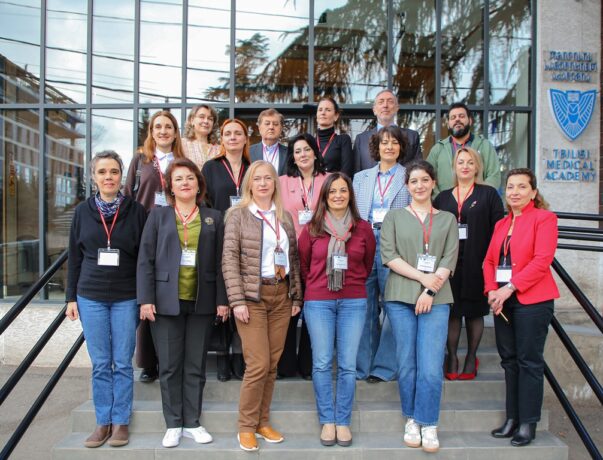
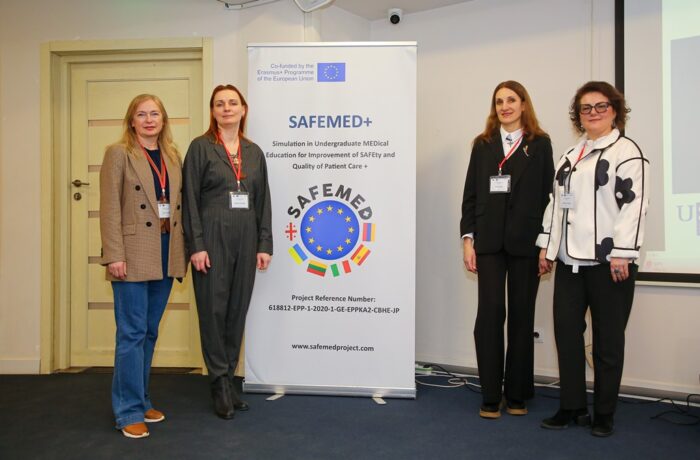
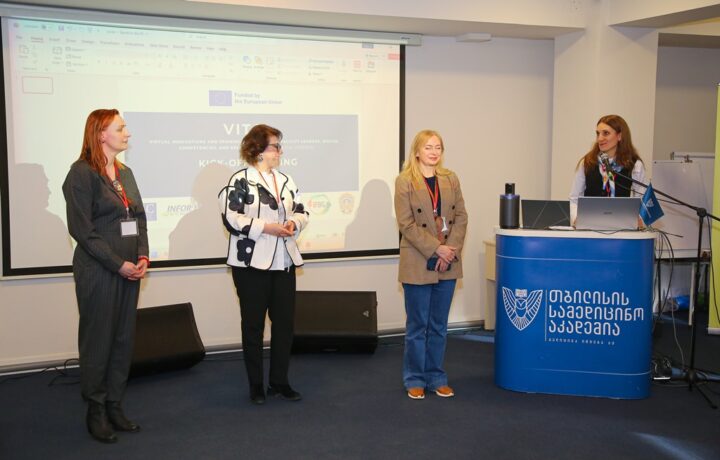
The event was held in a hybrid format. The team of I. Horbachevsky Ternopil National Medical University in Tbilisi was represented by:
Nataliia Haliash and Tetiana Kovalchuk, Associate Professors of the Department of Pediatrics No. 2;
Iryna Borovyk, Associate Professor of the Department of Therapy and Family Medicine;
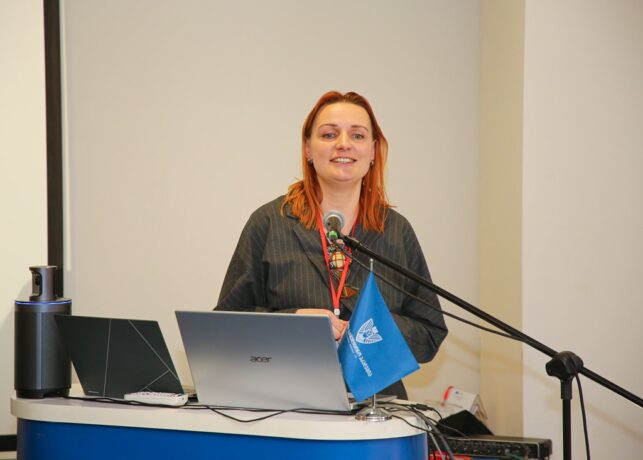
Sofiia Husak, Project Coordinator, Associate Professor of the Department of Internal Medicine No. 2.
Online participation included:
Arkadii Shulhai, Vice-Rector for Science and Education;
Hryhorii Zahrychuk, Assistant to the Rector for Quality Assurance, Head of the Department of General Chemistry.
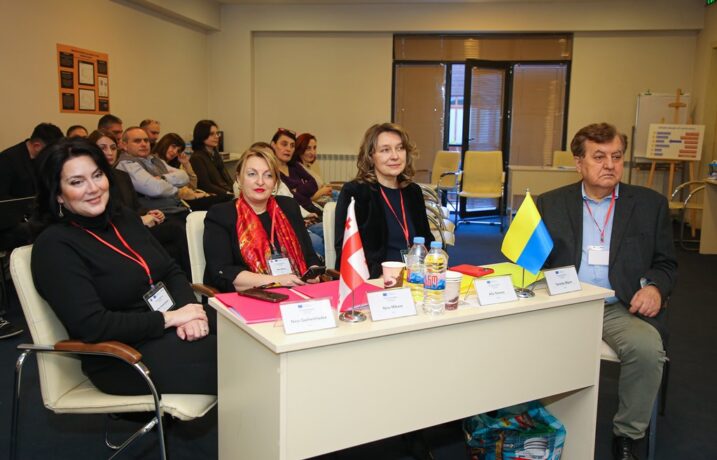
The VITAL project (ERASMUS-EDU-2025-VIRT-EXCH-NE No. 101253516) unites a consortium of six institutions:
- Infor Elea Smart Business Academy (Italy)
- Petre Shotadze Tbilisi Medical Academy (Georgia)
- Business and Technology University (Georgia)
- Institute of Food Biotechnology and Genomics of the National Academy of Sciences of Ukraine (Ukraine)
- I. Horbachevsky Ternopil National Medical University (Ukraine)
- Universidad de Santiago de Compostela (Spain) — Project Coordinator
The project aims to expand professional opportunities for early-career academic and research staff in higher education institutions in Georgia and Ukraine.
VITAL addresses structural gaps in:
- mentorship systems,
- academic leadership,
- digital pedagogy,
- research development.
It seeks to implement a sustainable, scalable academic staff development model grounded in key European values: inclusiveness, virtual collaboration, intercultural dialogue, and academic integrity.
Drawing on the expertise of EU and regional partners, the project integrates transformative training programs, virtual exchanges, digital tools, and mentorship models to support lifelong learning and institutional transformation.
Strategic Objectives
- Promote professional development through soft skills formation and academic leadership training tailored to early-career faculty.
- Strengthen digital competencies through AI-integrated and digitally enhanced pedagogy.
- Enhance research excellence through peer-to-peer mentoring, methodological workshops, and co-authorship opportunities.
- Reinforce European values in institutional practices through inclusive leadership and policy integration.
These objectives will be implemented through five interconnected work packages, following a phased model that moves from institutional needs assessment to competence development, curriculum enhancement, sustainable implementation, and dissemination.
Expected Project Outcomes
An international multiplier conference to ensure the visibility and sustainability of project results.
A jointly developed competency framework in academic leadership and soft skills for faculty members.
An online faculty development hub for resource sharing and continuous professional growth.
A scalable peer-mentoring and Training-of-Trainers (ToT) model.
Institutional policy recommendations aligned with EU academic standards.
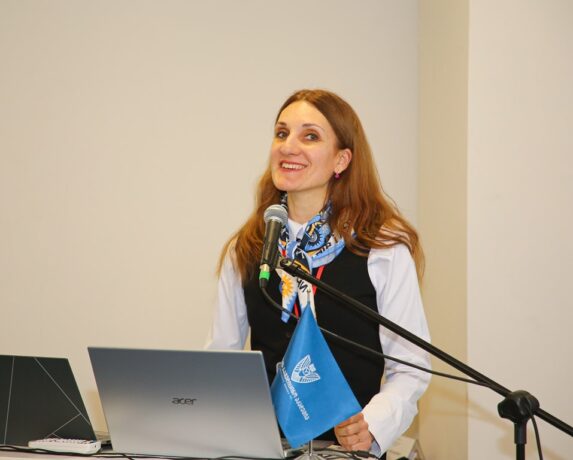
The inaugural meeting in Tbilisi officially launched project implementation and ensured a shared understanding of its concept, strategic objectives, expected results, and performance indicators. It served as a strategic coordination platform, strengthening institutional cooperation and laying organizational and methodological foundations for successful implementation.
The meeting focused on:
- Aligning partner roles and responsibilities in accordance with the grant agreement;
- Detailing the work plan, implementation stages, and timeline;
- Establishing project governance and internal communication mechanisms;
- Defining financial management and reporting procedures;
- Outlining quality assurance, monitoring, evaluation, and risk management approaches;
- Approving dissemination and sustainability strategies.
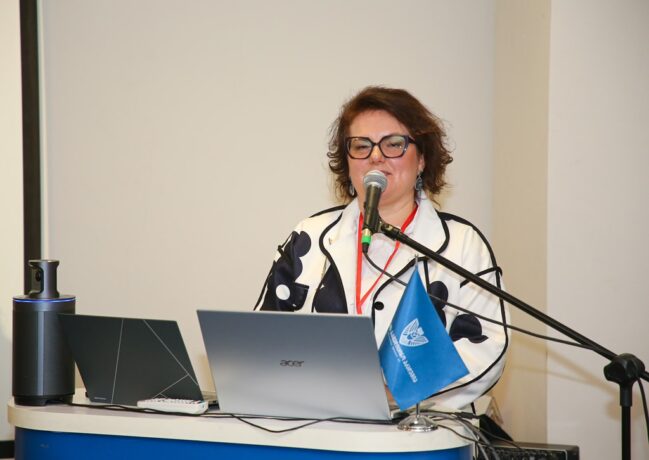
At the conclusion of the event, participants summarized adopted decisions, distributed responsibilities among partners, and approved the schedule of upcoming online consortium meetings.
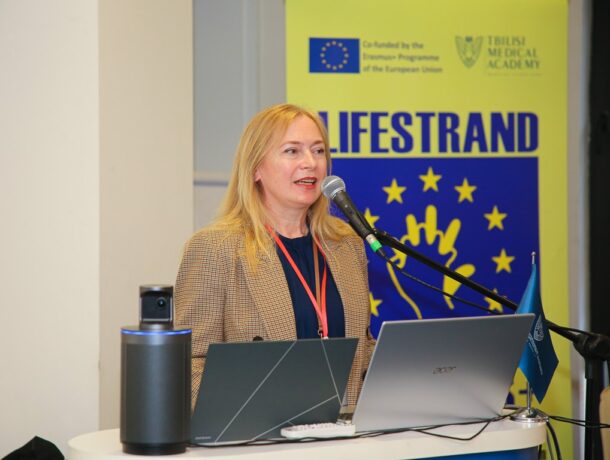
The kick-off meeting became not only an organizational launch but also a value-driven unification of partners around a shared responsibility for meaningful transformation in higher education. The agreed decisions, clear role distribution, and strategic vision created a strong foundation for successful project implementation.
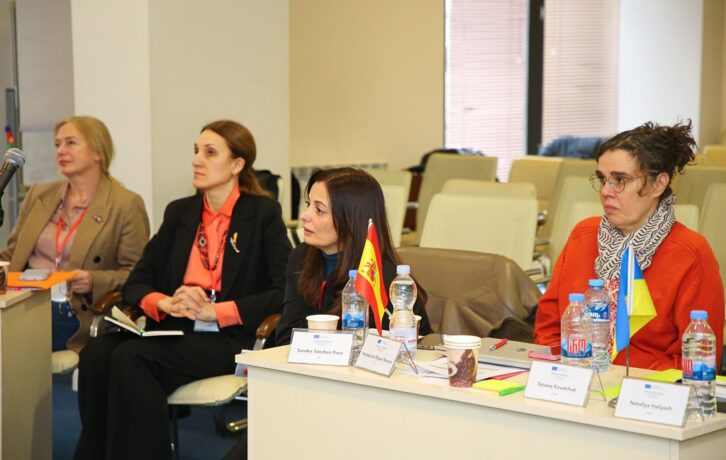
Ahead lies systematic work, international collaboration, and tangible institutional change that will have a long-term impact on the development of academic leadership and research excellence.