

Training on the Implementation of Simulation Technologies at TNMU
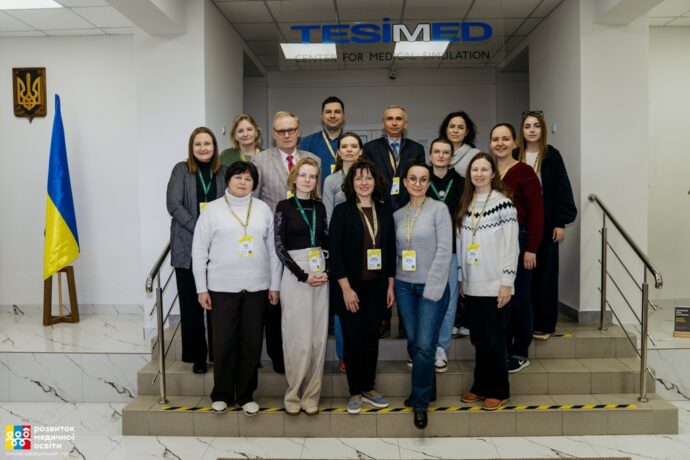
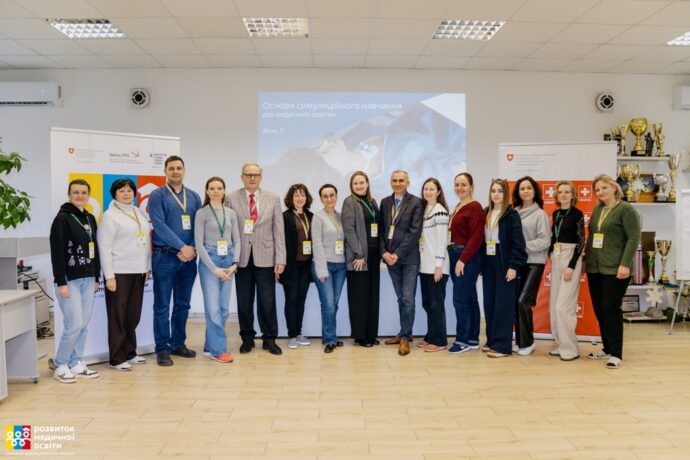
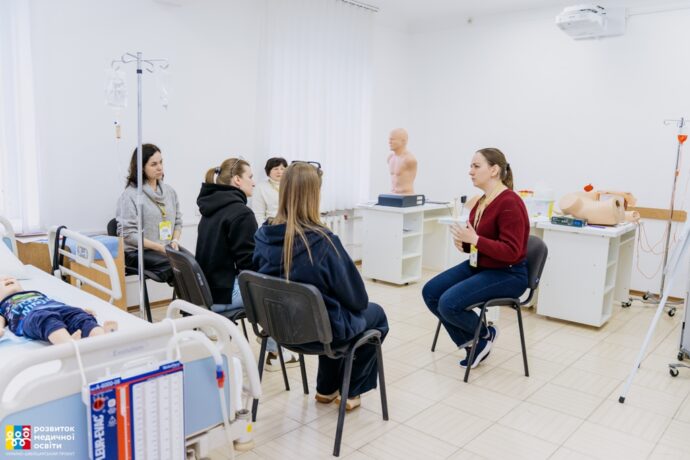
On March 31 – April 1, a two-day training for faculty members was held at the Simulation Training Center of I. Horbachevsky Ternopil National Medical University, with the support of the Ukrainian-Swiss project “Development of Medical Education.” The training aimed to form a core group of instructors who possess the fundamental principles of teaching in a simulation center and are capable of independently conducting classes using simulation technologies.
The main focus of the training was on general practice – family medicine, while also covering other disciplines related to the Objective Structured Clinical Examination (OSCE), including surgery, internal medicine, pediatrics, and obstetrics and gynecology.
The proposed approach was aimed at gradually building a basic level of competencies, creating a shared understanding of simulation-based education principles, and forming a critical mass of specialists capable of effectively using available resources within the current phase of the project and existing institutional constraints.
The training was conducted by:
Antonina Chervatiuk — Head of the Simulation Training Center at TNMU, Assistant at the Department of Emergency and Simulation Medicine, certified instructor of the Ukrainian Resuscitation Council and the European Resuscitation Council courses;
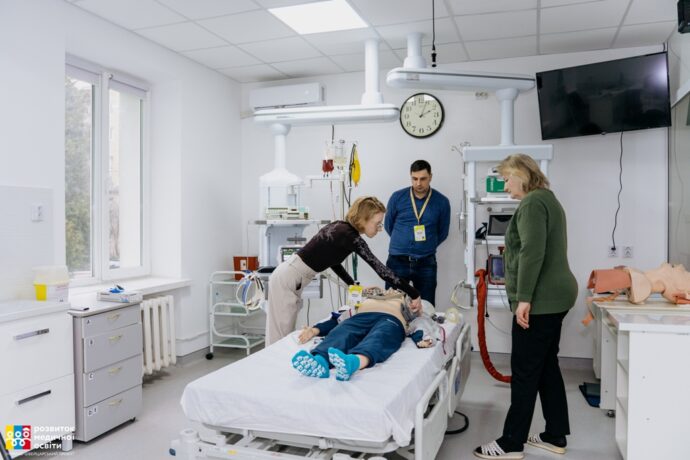
Liliia Skolska — anesthesiologist, Head of the Training Center at Dobrobut Academy, certified instructor and course director of the Ukrainian Resuscitation Council and the European Resuscitation Council;
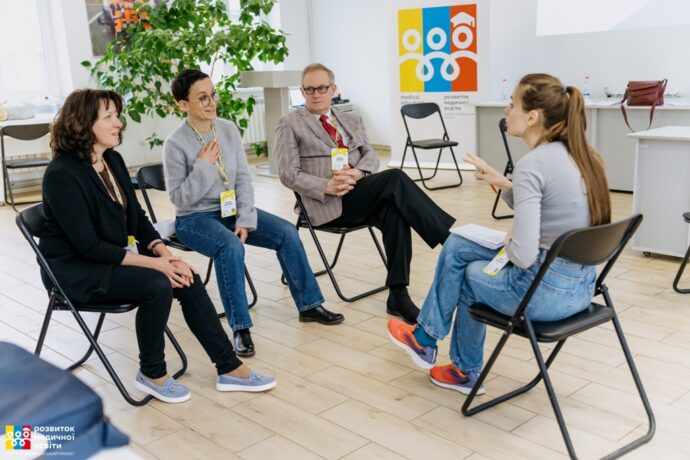
Anzhelika Shpachuk — anesthesiologist, instructor at Dobrobut Academy, certified instructor and course director of the Ukrainian Resuscitation Council and the European Resuscitation Council.
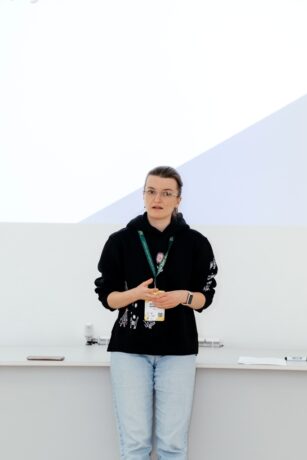
The trainers’ collaborative work enabled participants to gain a deeper understanding of the role of simulation-based learning in the educational process, methods of teaching practical skills, and the development of various types of simulation scenarios. Particular attention was given to feedback methodology, as well as to the assessment of students using simulation technologies.
A total of 11 academic staff members of TNMU successfully completed the training. These are lecturers who are already involved in or plan to work at the simulation center.
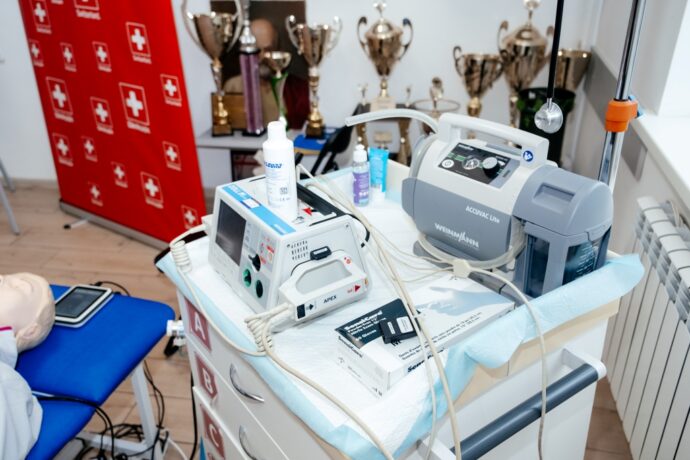
Thanks to the training, the university has strengthened its human resource capacity for the systematic use of simulation scenarios in the educational process and for creating a safe environment for practicing clinical skills. The gradual increase in the number of trained instructors contributes to better integration of simulation technologies into curricula and improves the quality of training of future medical professionals.
TNMU expresses sincere gratitude to the Ukrainian-Swiss project “Development of Medical Education” and the Embassy of Switzerland in Ukraine for their comprehensive support, assistance in developing faculty professional competencies, and strengthening the simulation component in medical education.