


TNMU Team Participates in a Series of ESI Triage Trainings in Lviv
From March 30 to April 10, 2026, a series of practical training sessions, “Practical Application of the Emergency Severity Index (ESI) Triage System in the Emergency Department,” was held in Lviv as part of efforts to develop a modern emergency medical care system in Ukraine.
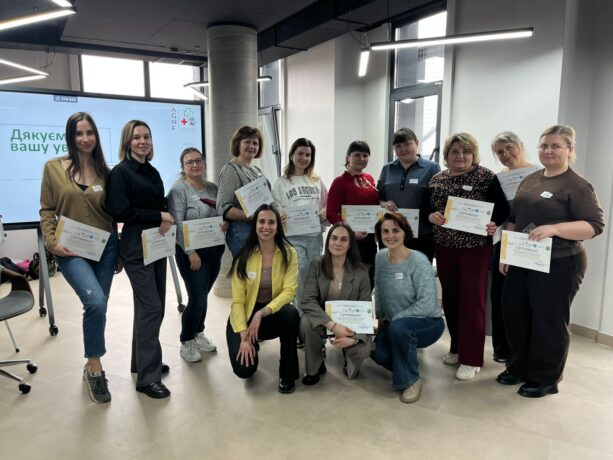
The training events were organized with the participation of specialists from I. Horbachevsky Ternopil National Medical University in cooperation with the National Rehabilitation Center and the UNBROKEN University, within the framework of a Ukrainian-German project in collaboration with the Emergency Medicine Working Group of Fürth (Arbeitsgemeinschaft Notfallmedizin Fürth e. V., AGNF).

The project is implemented with the support of the German Society for International Cooperation (Deutsche Gesellschaft für Internationale Zusammenarbeit, GIZ) and the “Hospital Partnerships” program.
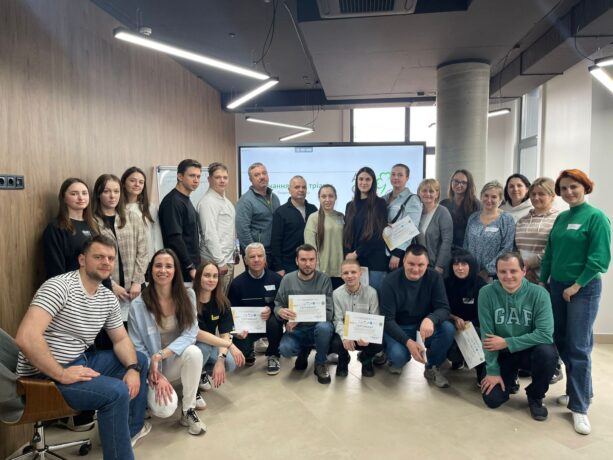
The trainings were conducted in an intensive, practice-oriented format and were designed for physicians of various specialties, as well as nurses working in emergency care, anesthesiology, surgery, pediatrics, and other clinical fields.
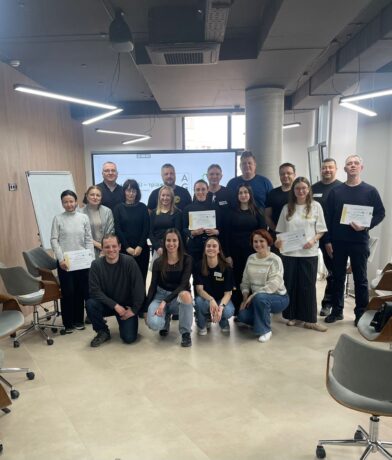
Experienced instructors and practicing professionals were involved in delivering the training, including:
- Iryna Yavorska, Assistant of the Department of Higher Nursing Education, Patient Care, and Clinical Immunology;
- Roman Huk, Assistant of the Department of Emergency and Simulation Medicine;
- Representatives of UNBROKEN University – Mariia Bukartyk, Anastasiia Holodnenko, and Andrii-Bronislav Vuytsyk.
The main goal of the training was to develop practical skills among healthcare professionals for rapid, well-founded patient triage in accordance with the international ESI system, enabling effective prioritization of medical care and the optimization of resources in emergency departments.
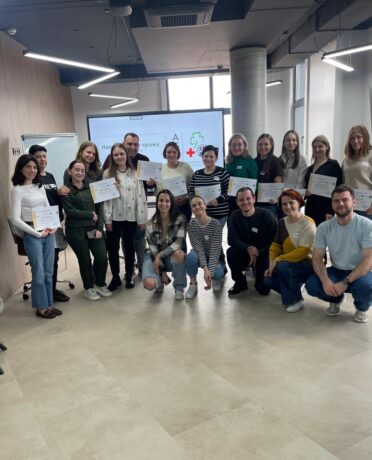
The training program combined both theoretical and practical modules. Participants learned about the principles and algorithms of the ESI system, patient assessment methods, triage level classification (ESI 1–5), and approaches to predicting resource needs. Special attention was given to the practical component, which included:
- analysis of clinical cases;
- practicing triage algorithms;
- simulation scenarios using modern equipment;
- teamwork under time constraints.
This format allowed participants not only to consolidate their theoretical knowledge but also to demonstrate their clinical skills in realistic conditions.
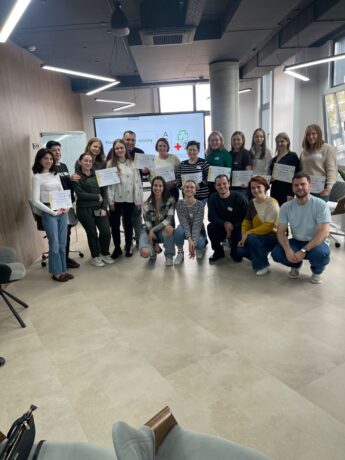
Following the training, participants completed a final assessment and will receive certificates confirming their acquired competencies.
Such initiatives are an important step toward implementing international triage standards in Ukraine and improving the quality of emergency medical care, especially under increased pressure on the healthcare system.