

Evidence-Based Medicine Without Borders: TNMU Delegation at the MIRCIM Conference
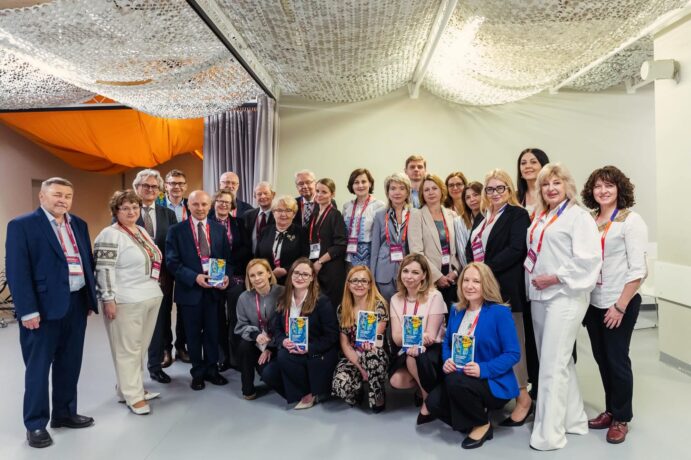
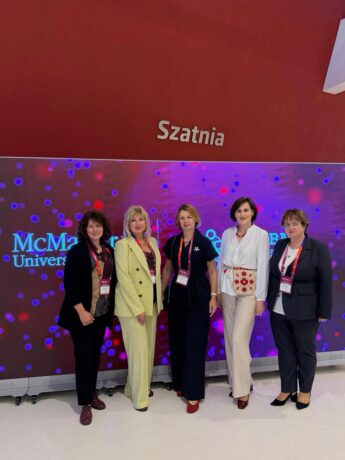
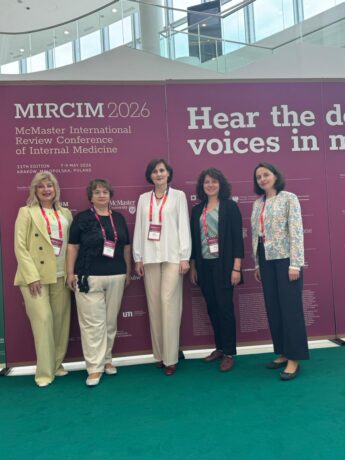
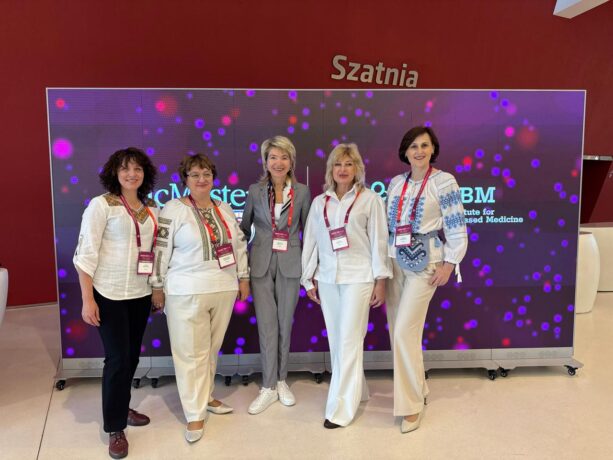
A delegation from I. Horbachevsky Ternopil National Medical University, including Vice-Rector for Research Oleksandra Oleshchuk, Head of the Department of Internal Medicine No. 3 Liliia Martyniuk, Head of the Department of Children’s Diseases with Pediatric Surgery Oksana Boiarchuk, and Associate Professors of the Department of Emergency Medicine Larysa Martyniuk and Sofiia Lypovetska, participated in the 11th McMaster International Review Course in Internal Medicine (MIRCIM) held on May 7–9, 2026, in Kraków, Republic of Poland.
MIRCIM 2026 is one of the leading international educational and scientific events in internal medicine, bringing together experts from around the world to discuss contemporary approaches to the diagnosis, treatment, and prevention of internal diseases, grounded in evidence-based medicine.
The conference was founded and organized by:
- the Polish Institute for Evidence-Based Medicine (PIEBM);
- McMaster University (Hamilton, Ontario, Canada).
Co-organizers of the event included:
- the International Society of Internal Medicine;
- the Jagiellonian University Medical College.
The conference program covered a broad range of current clinical medicine topics, as well as modern applications of artificial intelligence in healthcare.
Within the cardiology sessions, considerable attention was devoted to the latest recommendations of the European Society of Cardiology concerning the management of patients with myocarditis, pericarditis, valvular heart disease, atrial fibrillation, and ischemic heart disease. Particularly relevant were presentations on optimizing lipid-lowering therapy, selecting appropriate antiarrhythmic treatment, and contemporary approaches to cardiovascular risk stratification. Special emphasis was also placed on managing patients with cardiovascular diseases in the context of multimorbidity, a highly significant issue given the aging population and increasing prevalence of coexisting conditions.
The nephrology sessions focused on recent advances in the management of chronic kidney disease, emerging nephroprotective therapies, nephrotoxicity associated with modern oncological treatments, the care of pregnant patients with renal disorders, and the role of genetic testing in kidney diseases. Presentations addressing the intersection of hyperglycemia and chronic kidney disease, as well as modern approaches to the treatment of lupus nephritis, were of particular interest. These findings are especially relevant to internists and endocrinologists due to the growing prevalence of cardiorenal-metabolic syndrome.
During the rheumatology sessions, participants discussed current guidelines for managing patients with rheumatoid arthritis, Sjögren’s syndrome, systemic vasculitis, axial spondyloarthritis, psoriatic arthritis, and osteoporosis. Special attention was paid to the role of artificial intelligence in rheumatology, to innovative opportunities for early diagnosis of autoimmune diseases, and to the detection of interstitial lung involvement in systemic rheumatic disorders. The clinical algorithms and practical recommendations presented are highly relevant for the multidisciplinary management of patients with systemic connective tissue diseases.
The endocrinology and diabetology sessions offered valuable insights into contemporary approaches to diagnosing and treating primary aldosteronism, hypercortisolism, type 1 and type 2 diabetes mellitus, prediabetes, and obesity. Particular emphasis was placed on the use of GLP-1 receptor agonists in multimorbid patients, highlighting benefits that extend beyond glycemic control to include cardioprotective and nephroprotective effects. International consensus statements on diabetes management, therapy personalization, treatment strategies for older adults, and the importance of patient phenotyping in therapeutic decision-making were also extensively discussed.
Additional sessions addressed important topics in multimorbidity, intensive care medicine, infectious diseases, antibiotic resistance, respiratory pathology, and the management of critical conditions. Topics included contemporary approaches to respiratory support, sepsis management, water-electrolyte imbalance, and updated international vaccination recommendations for patients with severe comorbidities.
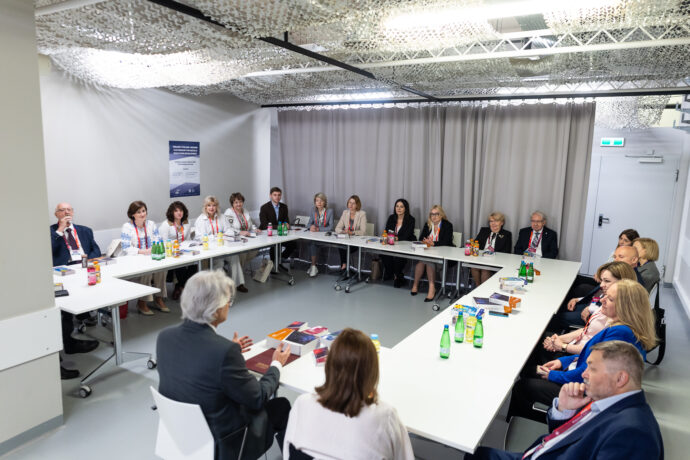
Particularly valuable were the interactive discussions, clinical case analyses, and opportunities for direct dialogue with leading international experts. Participation in the conference enabled TNMU representatives to familiarize themselves with the latest international clinical guidelines, modern approaches to managing patients with comorbid conditions, and emerging directions in personalized medicine.
A special congress on artificial intelligence in medicine was also organized within the conference. Topics included the application of AI in cardiology, rheumatology, nephrology, oncology, medical education, medical statistics, and scientific publishing. Discussions focused on the ethical use of AI, algorithm transparency, trust in AI technologies, regulatory considerations, and the integration of AI into clinical practice. Special attention was given to the role of generative artificial intelligence in evidence-based medicine, clinical research, and medical information systems. These topics are of exceptional relevance in modern healthcare and offer new opportunities to improve diagnostic accuracy, predictive modeling, and personalized treatment.
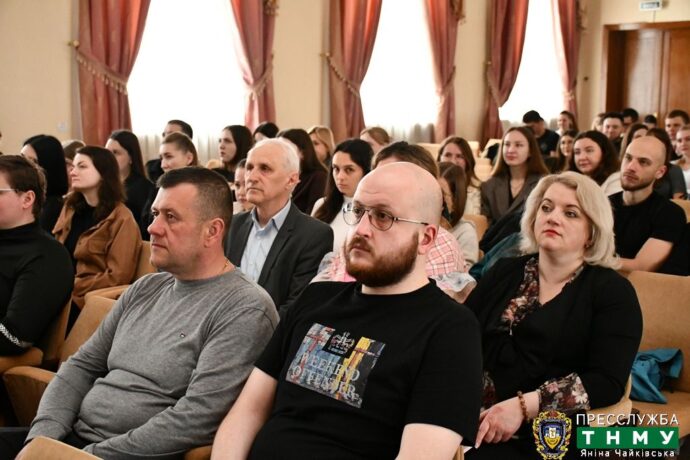
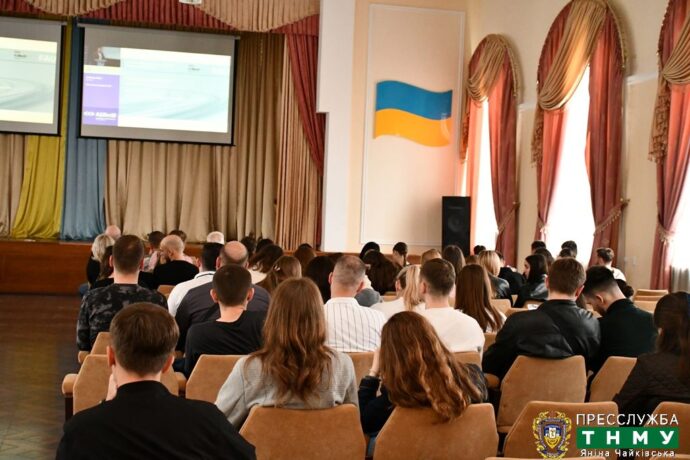
TNMU faculty members, students enrolled in professional and research programs, and medical interns had the opportunity to attend the lectures and scientific discussions virtually on May 8 via the online platform. Access was kindly provided by the conference organizers and the emb.one project.
The TNMU delegation also participated in an Evidence-Based Medicine (EBM) Methodology Workshop as part of the Poland–Ukraine Partnership for Medical Education Development, dedicated to updating the internal medicine textbook Empendium, which serves as a core medical reference in many European countries, Canada, and beyond. The textbook provides up-to-date clinical guidelines, diagnostic and treatment algorithms, and is fully grounded in the principles of evidence-based medicine. Its importance lies in providing only verified, up-to-date information in line with international clinical recommendations. Importantly, the content can be adapted to align with national clinical protocols by experienced Ukrainian editors. TNMU faculty members attending the conference are among the editors of this textbook.
TNMU students have access to the electronic version of Empendium for educational purposes via:
Empendium: Internal Medicine Textbook Based on Evidence-Based Medicine Principles
This textbook has strong potential to become a foundational resource for students enrolled in the Medicine educational program.
Participation in MIRCIM 2026 significantly contributed to TNMU faculty’s professional development, expanding their clinical perspective, enhancing their skills in the critical appraisal of medical evidence, and strengthening international academic and professional collaboration.