


OSCE as the Final Assessment of Clinical Internship for Master’s Students in Prosthetics and Orthotics
The administration of the Objective Structured Clinical Examination (OSCE) for master’s students specializing in Prosthetics and Orthotics following their clinical internship represents the gold standard for assessing clinical competence. Unlike traditional examinations, the OSCE focuses not only on theoretical knowledge but also on the practical application of that knowledge in real or simulated clinical scenarios. For future graduates of the Prosthetics and Orthotics educational program, this stage serves as both a major professional challenge and confirmation of their clinical readiness and professional maturity.
The examination program included assessment of eight essential practical skills acquired during the internship.
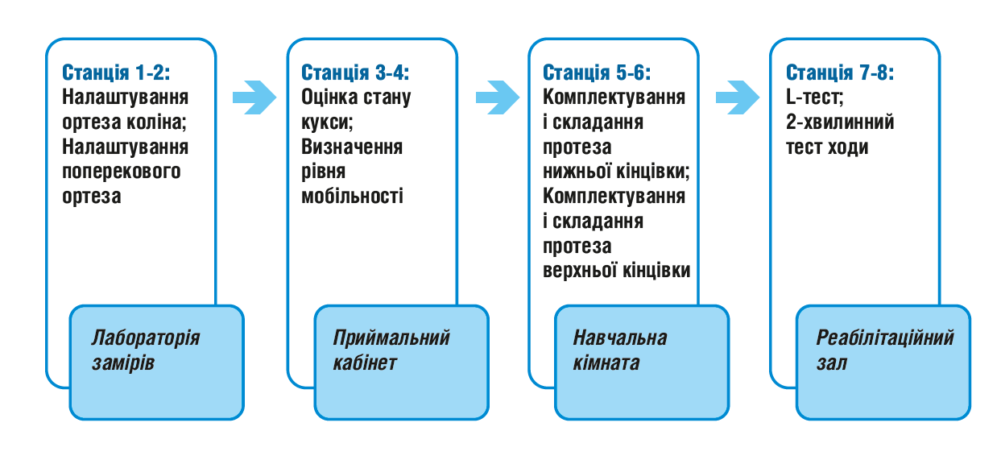
During the examination, the master’s students demonstrated a high level of competence in the following areas:
- Clinical assessment: professional history taking and comprehensive evaluation of the patient’s biomechanical potential for the appropriate prescription of rehabilitation assistive devices;
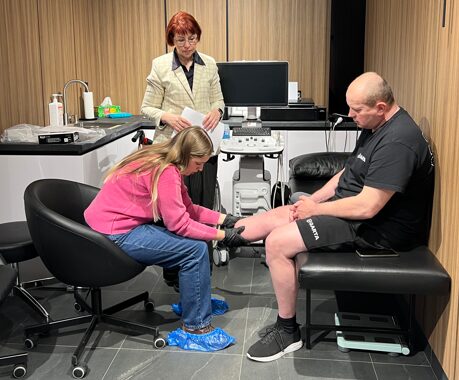
- Biomechanical adjustment: calibration and optimization of prosthetic and orthotic systems aimed at restoring natural movement patterns and achieving optimal gait quality;
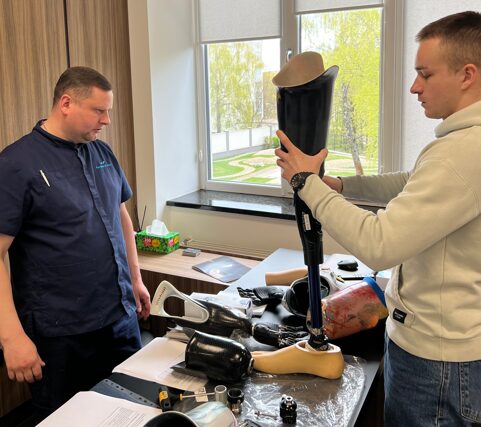
- Functional diagnostics: performance of specific tests for objective analysis of mobility and evaluation of prosthetic effectiveness;
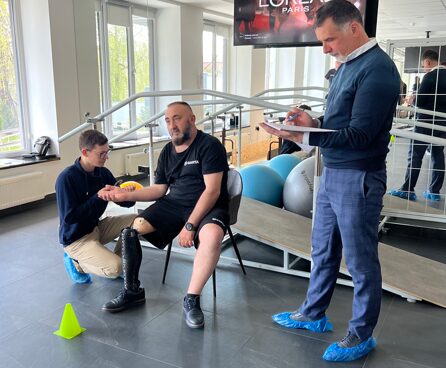
- Professional communication: the ability to clearly explain to patients the principles of use and maintenance of complex technical devices, ensuring compliance throughout the rehabilitation process.
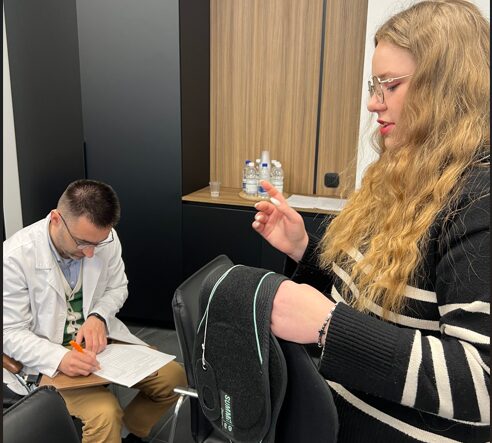
A key factor contributing to the high quality of the examination was the professionalism of the examination board. Assessment was conducted by leading faculty members of the Department of Medical Rehabilitation, who had taught specialized disciplines throughout the students’ training, together with a certified practicing prosthetist-orthotist. This combination of academic expertise and practical clinical experience ensured impartiality and alignment of the examination with the most up-to-date international standards.
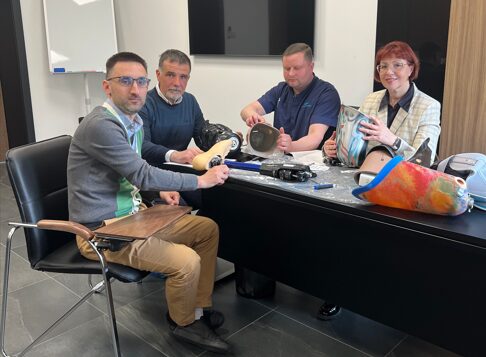
The implementation of the OSCE enables an objective evaluation of graduates’ readiness for independent clinical practice within a multidisciplinary healthcare team, where the precision of device fitting and adjustment directly affects patients’ quality of life.