

The 69th Scientific and Practical Conference “Achievements of Clinical and Experimental Medicine” at TNMU
On June 11–12, 2026, I. Horbachevsky Ternopil National Medical University became a center of scientific discourse. The 69th Scientific and Practical Conference “Achievements of Clinical and Experimental Medicine” was held in a hybrid format, bringing together leading scientists, practicing physicians, and young researchers.
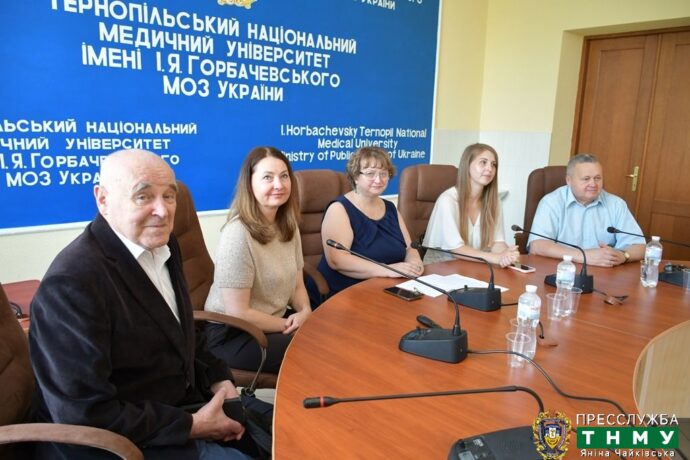
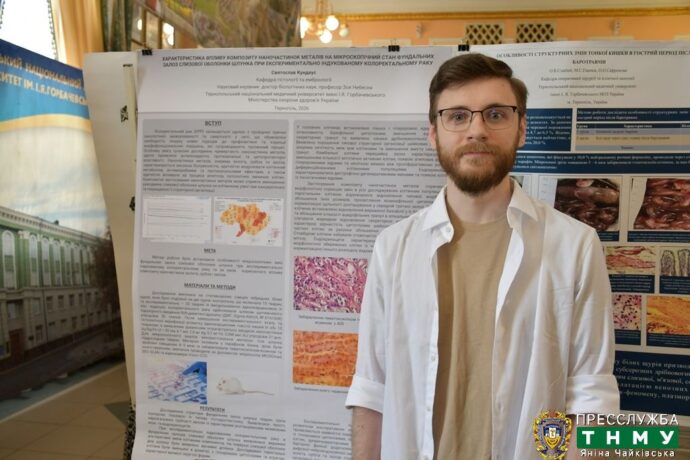
The conference began with online presentations, after which participants continued their work through in-person discussions. The university premises were transformed into a platform for poster presentations and active exchange of research findings.
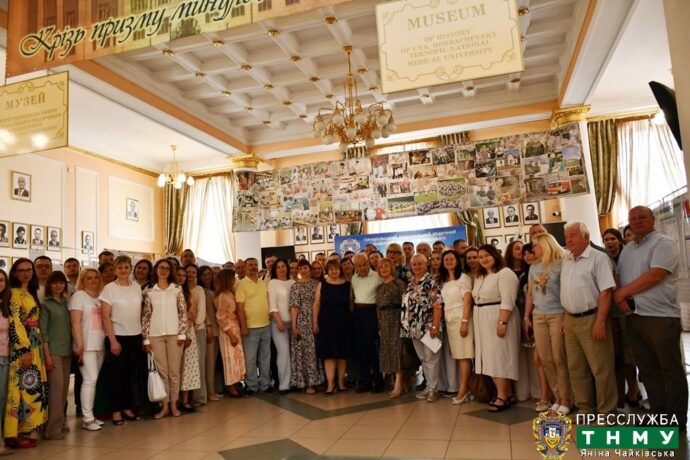
The scientific program covered six key areas:
Innovations in Higher Medical Education, Review and Analytical Studies.
Internal Medicine, Infectious Diseases, Psychiatry, and Neurology;
Surgery, Oncology, Orthopedics, and Traumatology;
Achievements of Modern Dentistry;
Maternal and Child Healthcare, Obstetrics and Gynecology, and Pediatrics;
Experimental Medicine, Normal and Pathological Morphology, and Advances in Modern Pharmacy;
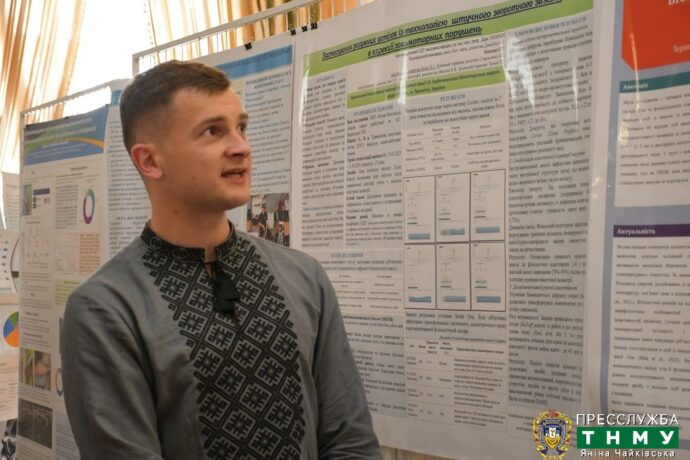
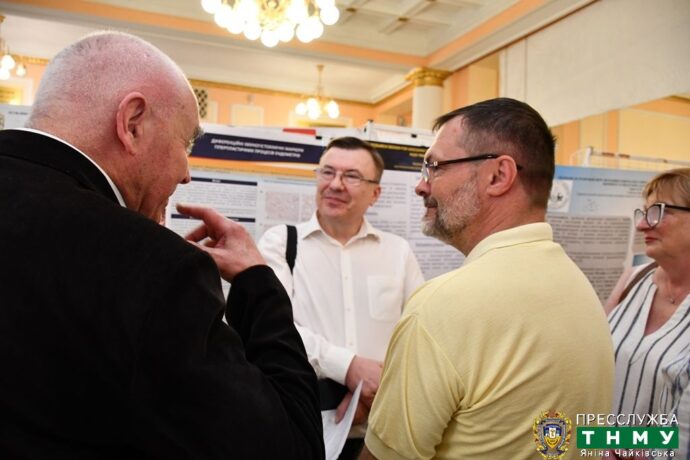
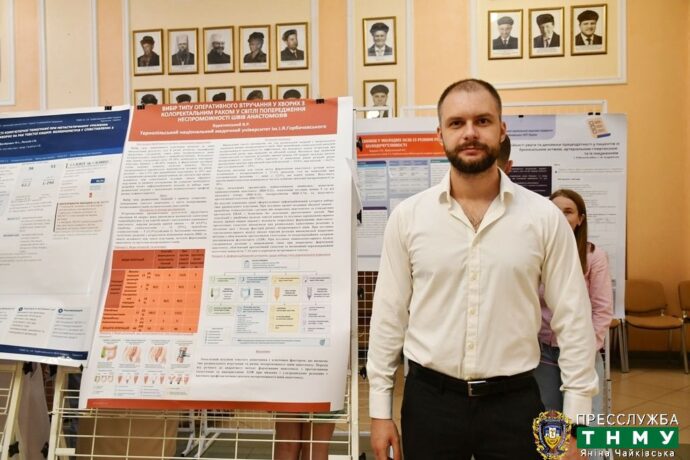
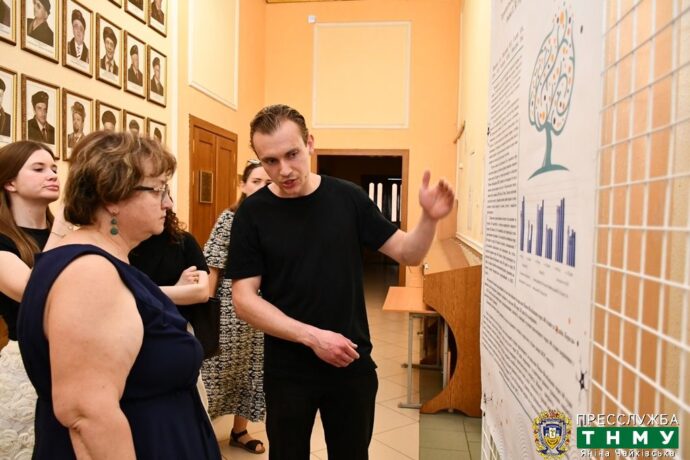
During the conference, participants also discussed the implementation of Open Science principles in researchers’ daily activities. TNMU is an active participant in the Erasmus+ project OPEN4UA – “Open Science for Ukrainian Higher Education.”
The scientific forum concluded with a plenary session opened by Vice-Rector for Research, Professor Oleksandra Oleshchuk.
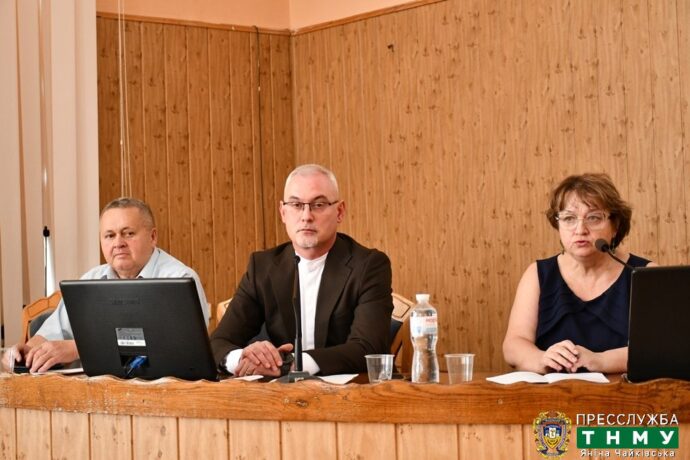
The participants were welcomed by the Rector of the University, Professor Petro Lykhatskyi. He emphasized that the annual final scientific conference has become a valued tradition of the Alma Mater. In his address, Professor Lykhatskyi noted that modern medical science is currently the main driving force behind practical healthcare, transforming theoretical developments into real-life technologies aimed at saving human lives.
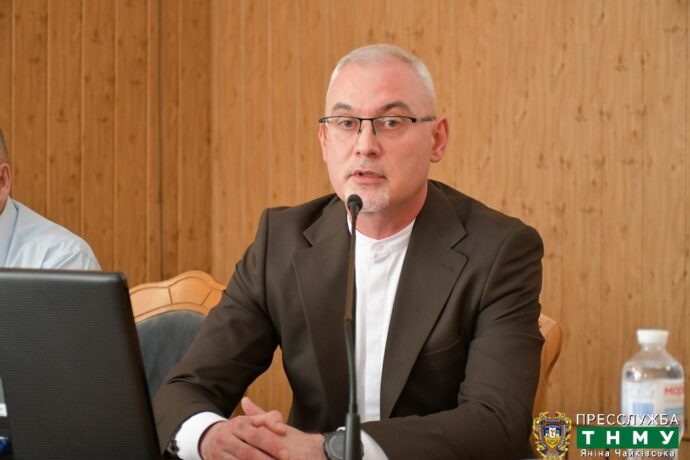
“Among the key strategic directions of research are digital medicine, which involves the implementation of artificial intelligence for ultra-precise rapid diagnosis of diseases; cellular regeneration, which employs biotechnology and stem cells for tissue restoration; and targeted pharmacology, focused on developing precision medicines for specific molecular targets. The ecosystem of modern science is based on interdisciplinary synergy, a translational approach that ensures the rapid transfer of preclinical, clinical, and laboratory findings to patient care, and global integration through joint clinical trials with international research centers and partners. We can achieve all this only by adhering to the principles of academic integrity, as medical science bears the highest cost of error—human life. Therefore, academic culture and ethics remain our unwavering priorities. Together, we are building the future of modern medicine,” Petro Lykhatskyi stated.
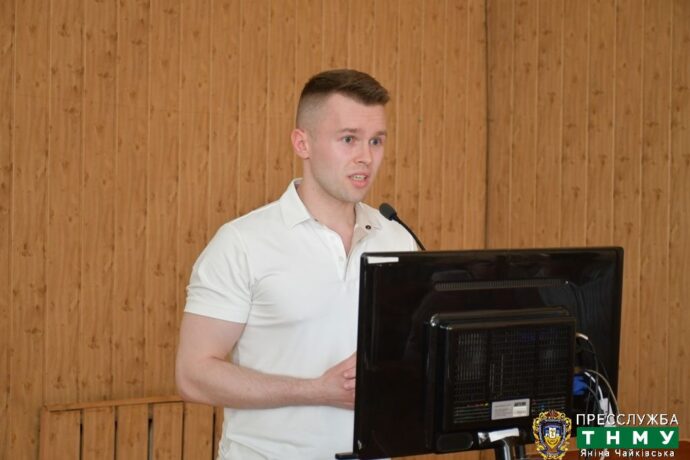
During the plenary session, participants listened to presentations on current research topics.
Associate Professor of the Department of General Surgery Andrii Hospodarskyi delivered a presentation entitled “Integration of Artificial Intelligence into Medical Science: Ethical, Methodological, and Clinical Challenges.” The speaker outlined AI learning algorithms based on large datasets and emphasized that the accuracy of rapid diagnostics directly depends on the quality and validity of the data used to train neural networks, as well as on the ability to integrate these systems into existing clinical protocols.
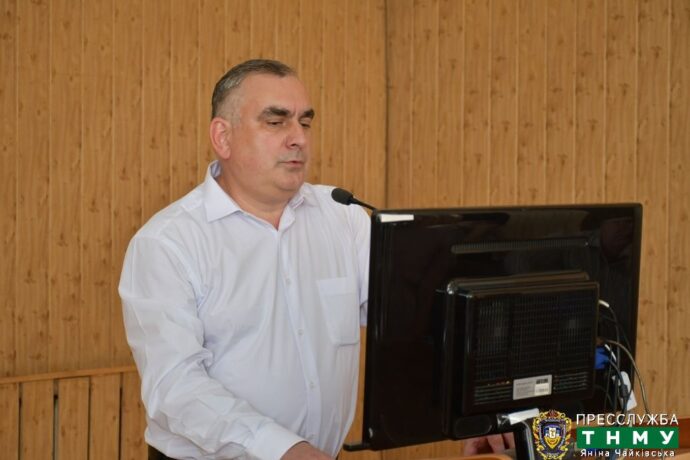
Associate Professor of the Department of Surgery of the Faculty of Postgraduate Education Myroslav Kritsak presented a report entitled “Dynamics of Micro-, Submicroscopic, and Morphometric Reorganization of Diaphragm Components under Simulated Low-Pressure and Standard Carboxyperitoneum Conditions,” highlighting contemporary aspects of genetic research.
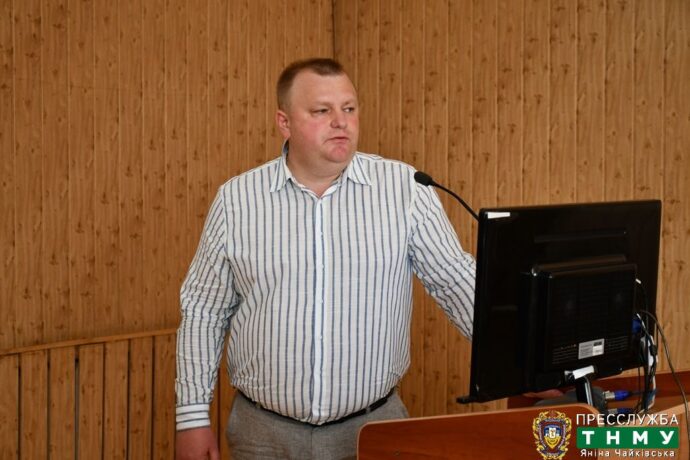
Mykhailo Buchynskyi, a PhD student of the Department of Microbiology, Virology and Immunology, presented the results of his research in the report “Molecular Biological Tools in Medicine: Clinical Significance of Genotyping and mRNA Expression Analysis.”
At the closing of the conference, Professor Oleksandra Oleshchuk commended the high quality of the scientific presentations and emphasized the importance of such events for strengthening the university’s research potential. She wished her colleagues continued inspiration and new significant achievements in the scientific field.